- Serving Boston and the Greater Boston Area

Landscape Lighting in Lexington, MA
If your Lexington property sits inside the historic district, a lighting plan gets reviewed the way a fence or a front door does — fixture by fixture, sightline by sightline. Add the open, largely unshaded lots common around the Battle Green and Munroe Center area, plus a deer population that treats new plantings and buried cable alike as fair game, and a lighting design here needs more forethought than a standard suburban install. Rouvalis Gardens plans Lexington lighting around all three from the first site visit.

What Landscape Lighting looks like in Lexington
Most of the Lexington properties we light were built well before electricity, which means the exterior architecture — fieldstone foundations, clapboard facades, center chimneys, post-and-beam additions — was never designed with fixtures in mind. We treat lighting as an architectural addition that has to earn its place, not a retrofit that fights the house. That usually means low-profile path and step fixtures rather than anything that reads as modern hardware from the street, and uplighting placed to model the texture of old masonry and timber rather than flatten it.
Open, sun-exposed lots — common on the larger colonial-era parcels off Massachusetts Avenue and around the Minute Man corridor — bring their own lighting logic. Without mature tree canopy to soften daytime light, many of these properties actually need less fixture density at night than a heavily wooded lot would; over-lighting an open lawn reads as institutional, not residential. We favor fewer, better-placed fixtures with tighter beam control, letting the architecture and specimen plantings carry the design rather than blanketing the yard in light.
Deer pressure changes the physical install. Cable runs and transformer boxes have to be routed and buried where deer traffic won’t expose or snag them season after season, and any plant material we introduce alongside a lighting bed is selected with deer browse in mind, since a lighting scheme built around plantings that get eaten back every June doesn’t hold its design for long. We map deer paths on the property during the initial walk, the same way we map sun angles and sightlines, and design the lighting layout around all three at once.
What we account for here
What we account for here
Historic district and commission review
Lexington’s historic districts scrutinize visible exterior changes, and fixture style, mounting height, and even light color temperature can factor into that review. We spec fixtures with finishes and profiles that read as appropriate to the period — bronze and antique brass over anything reflective — and document the plan clearly enough to move through review without repeated resubmissions.
Wide-open, low-canopy lots
Where there’s no tree cover to bounce or soften light, we design with narrower beam spreads and lower output than a typical wooded-lot install, so the result looks intentional rather than harsh from the road or from neighboring properties.
Heavy deer pressure
Cable and transformer placement account for established deer paths, and any companion plantings around fixtures lean toward material deer reliably leave alone, so the lighting bed doesn’t need seasonal rebuilding.
Colonial-era construction and grading
Original fieldstone foundations, uneven historic grading, and additions built decades apart mean cable routing is rarely a straight line. We route and stake conduit to follow the property’s actual grade and construction seams rather than the shortest path, which protects both the wiring and the landscape above it.
Recent Lexington work
A recent project on a pre-Revolutionary-era property near the center of town involved lighting a stone foundation and an original center chimney without disturbing the front facade sightline the historic commission had flagged — fixtures were pulled back from the property line and aimed to graze the stone rather than wash it. On a more open, sun-heavy lot closer to the Minute Man corridor, we scaled back fixture count from the client’s original request and relied on precise placement instead, since the lack of canopy meant fewer, sharper points of light did more work than a dense layout would have.
Other services we provide in Lexington
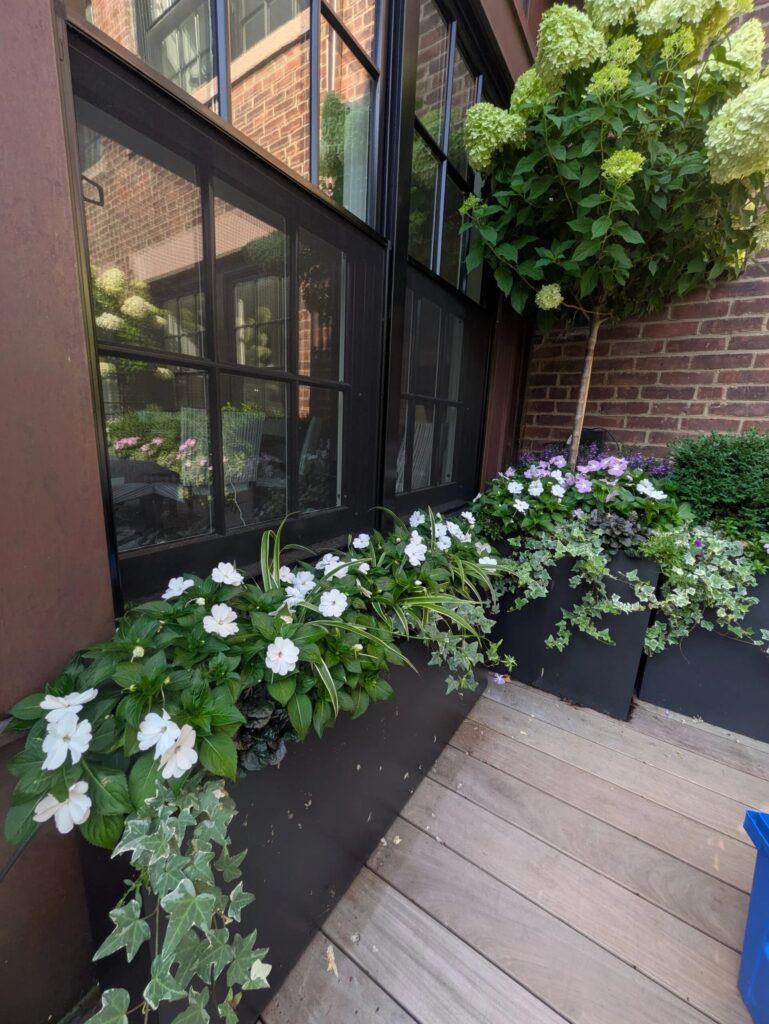
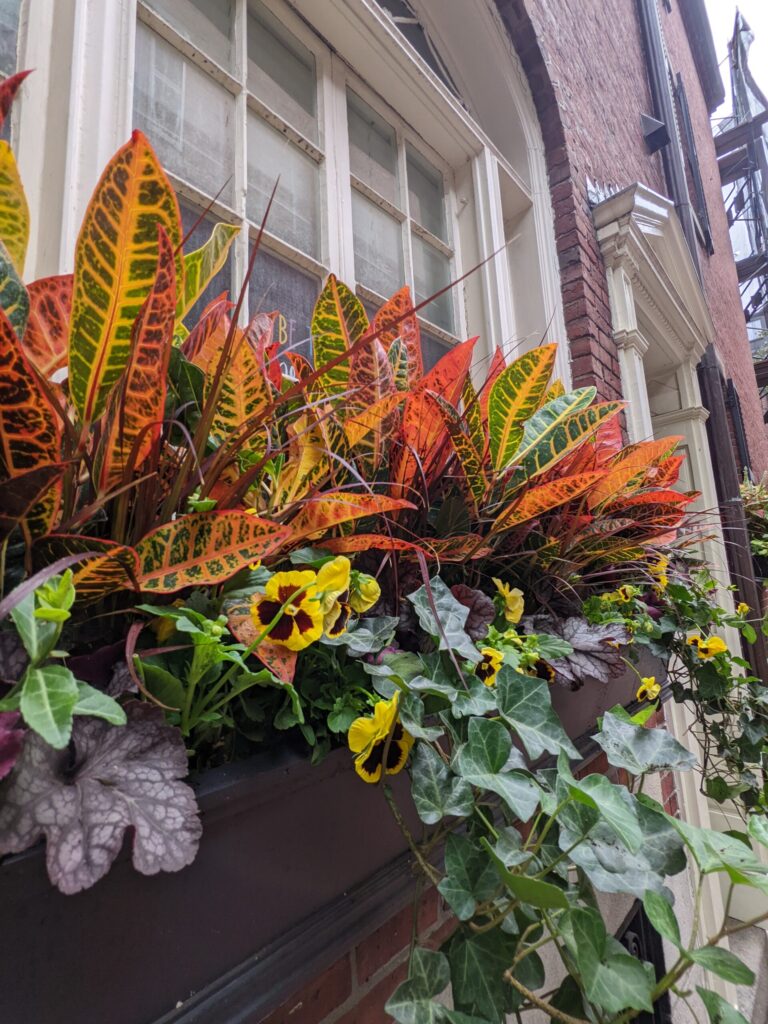
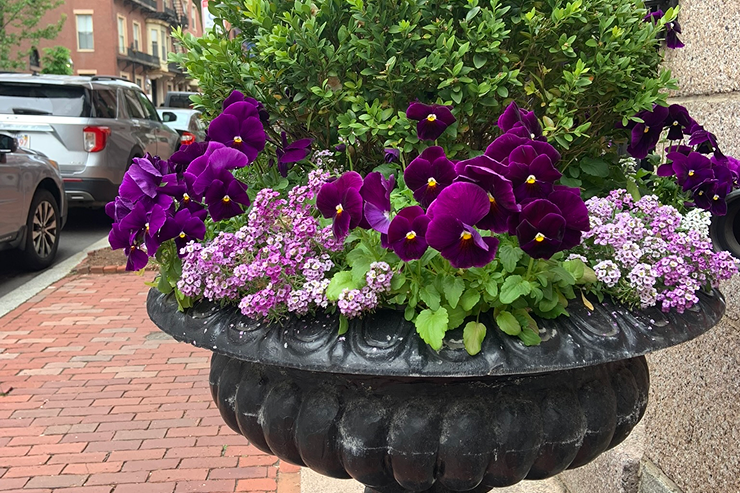
Landscape lighting is one piece of a broader Lexington scope. We also handle full garden services in Lexington, including garden design and installation for both new plantings and historic restorations, fine gardening and ongoing maintenance programs built around the town’s growing season and deer pressure, container and window box plantings for period facades where in-ground beds aren’t practical near foundations, roof deck and terrace planting for the newer construction and additions found on larger Lexington parcels, and drip irrigation systems sized to the open, sun-exposed lots that dominate much of the town. Clients typically pair lighting with one or more of these so the property reads as a single coordinated plan rather than separate projects layered on top of each other.
Landscape lighting across neighboring towns
We run comparable landscape lighting programs for the same kind of historic and estate-scale properties in Weston and Newton, and for our Boston-area historic district work more broadly through our Boston landscape lighting page. The constraints shift by town — Weston’s larger wooded lots, Newton’s tighter urban setbacks — but the same design discipline applies: fixtures chosen for the architecture first, output calibrated to the site conditions second.
Landscape Lighting, Lexington, MA — 10.2 miles from our Lexington base
Rouvalis Gardens is based at 5 Crescent St in Lexington, about 10.2 miles from central Lexington. We schedule Lexington site visits in dedicated blocks so travel time doesn’t fragment the design or install process, and most projects — from initial walk-through to lighting plan to install — move on a single coordinated timeline rather than piecemeal visits.
What happens after you call
A call or consultation request starts with a site visit, usually scheduled within the week, where we walk the property at dusk if possible to see existing sightlines, sun exposure, and any deer trails firsthand. From there we put together a fixture and placement plan, flag anything that will need historic commission input, and give you a straightforward scope and timeline before any cable goes in the ground.
Getting started
If you’re planning landscape lighting for a Lexington property — whether it’s a colonial-era home under historic review or a newer build on an open lot — call Rouvalis Gardens to set up a site visit. We’ll bring the historic-district experience, the sun and deer considerations, and a plan built specifically for your property, not a generic layout with your address filled in.
What Our Customers Say
Frequently Asked Questions
Does landscape lighting in Lexington need historic commission approval?
If your property sits within one of Lexington's historic districts, exterior lighting changes can fall under commission review, particularly for fixtures visible from the street or a public way. We spec fixtures and document plans with that review in mind so the process moves smoothly rather than requiring resubmission.
Will lighting attract or worsen deer damage to my landscaping?
Lighting itself doesn't attract deer, but the cable runs and any companion plantings around fixtures need to account for established deer paths on the property. We route cable and choose deer-resistant companion plants so the lighting bed doesn't get torn up or exposed season after season.
Why does an open, sunny lot need less lighting than a wooded one?
Without tree canopy to soften or bounce light, a dense fixture layout on an open Lexington lot tends to look harsh and overdone from the street. We generally use fewer, more precisely aimed fixtures with tighter beam control on these sites, which reads as more intentional and more in keeping with the property's period character.
How long does a typical Lexington lighting installation take?
Most residential lighting projects run from a few days to about two weeks depending on the number of fixtures, cable runs, and whether historic commission sign-off is needed before work begins. We provide a specific timeline after the initial site visit.
Do you handle lighting for both older colonial properties and newer Lexington homes?
Yes. The design approach differs — period-appropriate fixtures and commission considerations for older homes, more design latitude on newer construction — but we work across both, often on the same street.