- Serving Boston and the Greater Boston Area

Urban Garden Design in Brookline, MA
A Brookline garden plan has to start with what is already there. Lots here run larger than in the city proper, many carrying decades of mature plantings — old rhododendron, established shade trees, boxwood hedging that has been shaped for years. Toward the Newton line, deer move through yards on a schedule most homeowners can predict better than we can, and any planting plan that ignores it will be eaten within a season. Add a Preservation Commission district on top of that, and a garden design here is really three problems solved at once: honoring mature structure, defending it from browsing pressure, and keeping the paperwork clean.

What Urban Garden Design looks like in Brookline
Design work in Brookline rarely starts from bare ground. Most calls come from homeowners who have inherited a garden — from a previous owner, a previous designer, or forty years of their own additions — and want it brought into a coherent plan without losing what already works. That changes the sequence. Before we draw anything, we walk the property and inventory what is mature, what is worth building around, and what is quietly declining and needs replacing before it fails on its own terms.
Lot size gives us more to work with than a typical Boston rowhouse yard, which is an advantage and a complication. There is room for real structure — a proper terrace, a working border, a lawn that functions as lawn rather than as a green rug — but there is also more square footage exposed to deer, more irrigation zones to plan correctly, and more sightlines to manage from the street and from neighboring properties in districts where the Preservation Commission has opinions about both.
Light in Brookline’s older neighborhoods is shaped by tree canopy as much as by building height. A hundred-year-old oak or a stand of mature maples can turn a south-facing yard into deep dappled shade by June, which means plant selection has to be based on what the garden actually receives in August, not what a site plan suggests it should receive. Soil under these older lots is often better than in tighter urban plots — less compacted fill, more original loam — but decades of leaf litter and root competition from big trees still call for testing and amendment before anything new goes in.
What we account for here
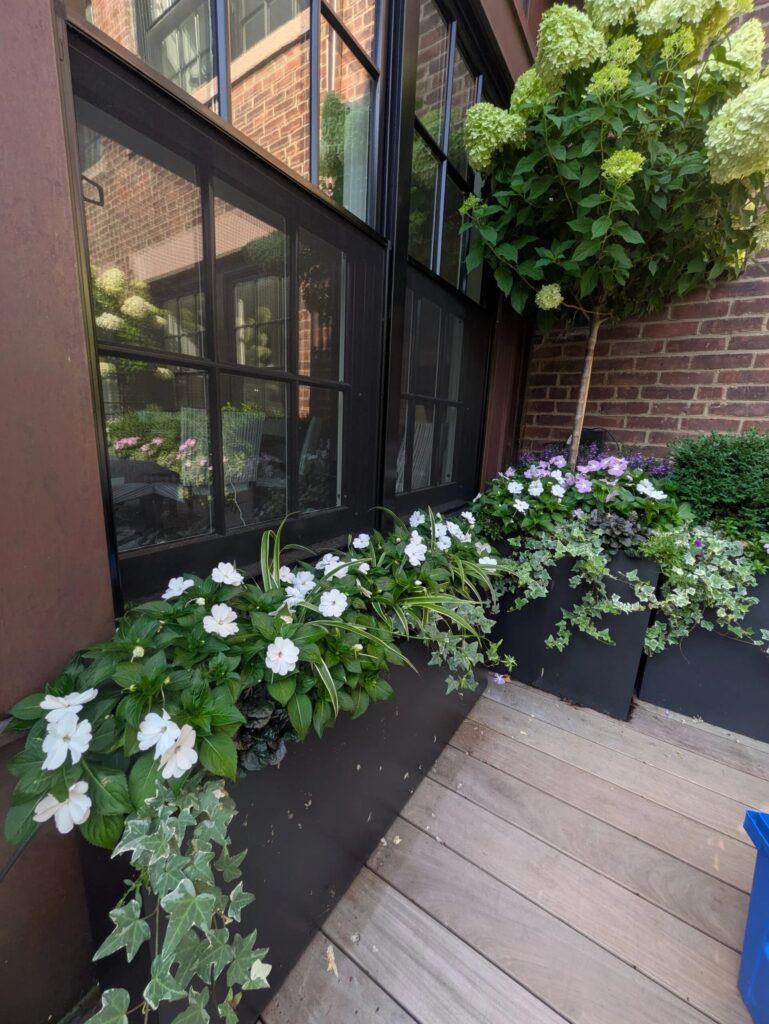
What we account for here
Four conditions come up on nearly every Brookline project. Here is how each one is actually handled, not just noted.
Larger lots with mature plantings
A bigger yard with established trees and shrubs is an asset only if the plan respects root zones and existing sightlines. We map mature plantings before design begins, decide which specimens anchor the composition, and build new beds, paths, and lighting runs around them rather than through them. Renovation work here is often more editing than planting from scratch — thinning, limbing up, and reshaping what is overgrown so the good bones of an older garden are visible again.
Deer pressure toward the Newton line
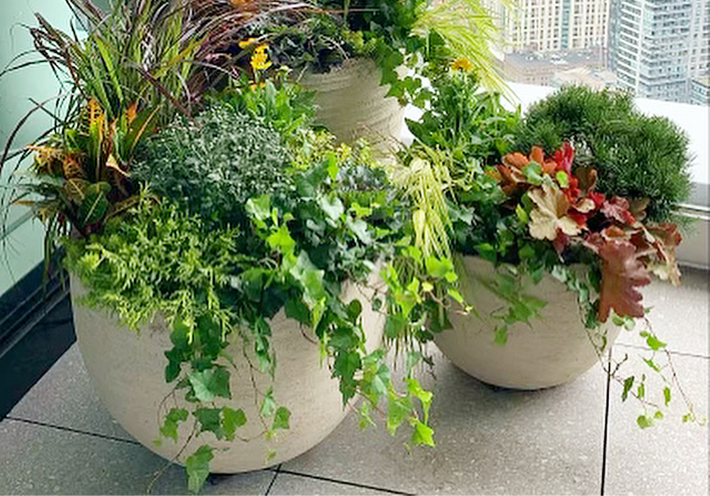
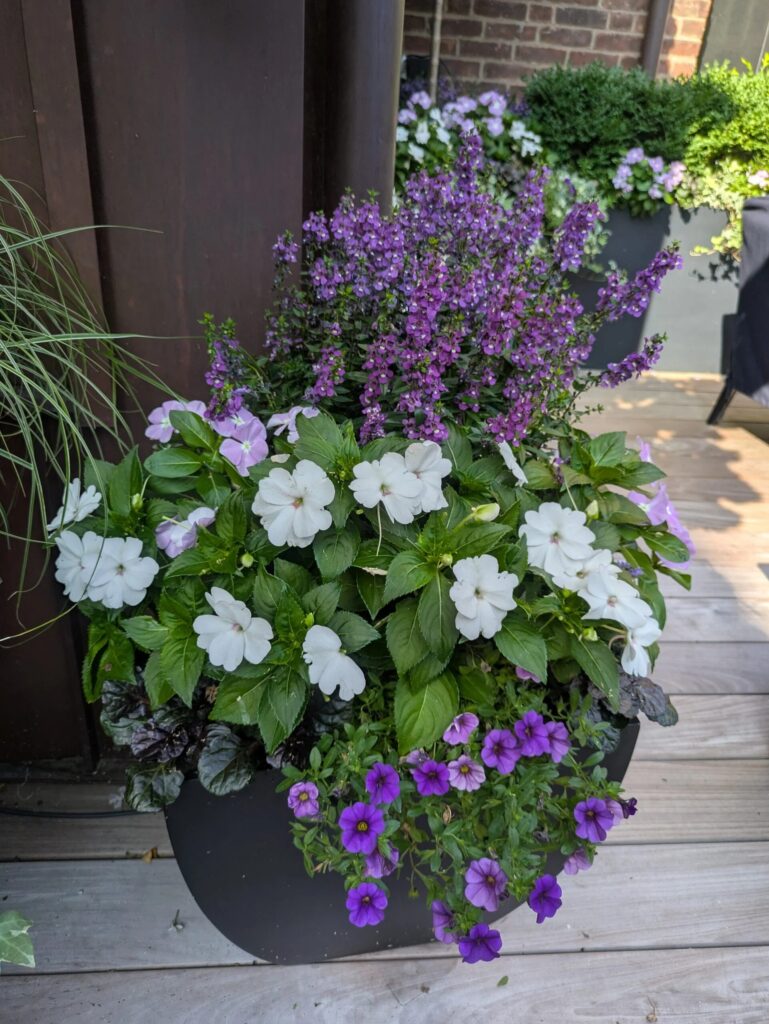
Properties closer to Newton see real browsing pressure, especially in winter and early spring when deer move through yards along tree lines and unfenced borders. We design plant palettes around this directly — leaning on boxwood, holly, ornamental grasses, and other selections deer tend to leave alone — and where a client wants roses, hydrangea, or other browse-favorite plantings, we build in discreet fencing, deer-resistant repellent programs, or protective netting during vulnerable seasons rather than pretending the problem away.
Preservation Commission review
Brookline’s local historic districts mean visible changes — new hardscape, fencing, structures, sometimes even significant plantings near a street-facing facade — can require Preservation Commission review before work starts. We design with that review in mind from the first sketch: materials, scale, and plant choices that read as appropriate to the property’s period, and drawings detailed enough to move through the approval process without a redesign cycle eating into the calendar.
Wind, drainage, and mature-tree soil conditions
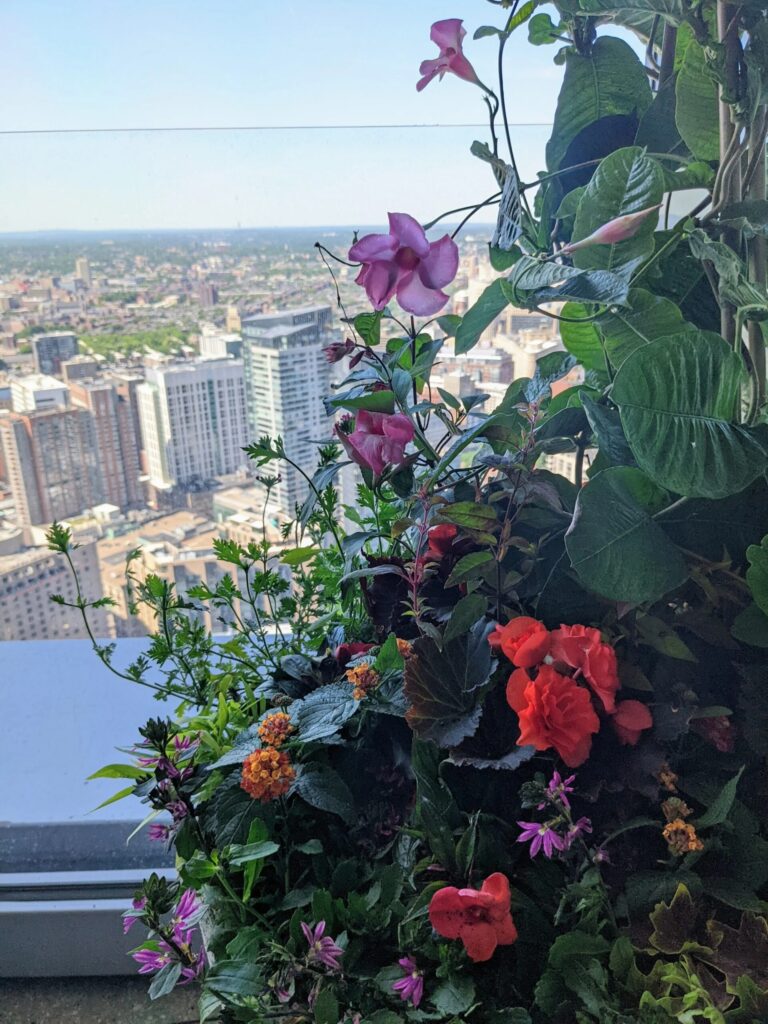
Large old trees change soil chemistry and moisture year over year, pulling water and nutrients from beds that once supported them without competition. We test soil under mature canopy specifically, rather than assuming the whole property behaves the same way, and adjust drainage, amendment, and irrigation zoning bed by bed. Exposed larger lots also see more open wind than a tucked-in city yard, which factors into staking, hedging as windbreak, and plant selection for anything newly installed.
Recent Brookline work
A recent project in this area involved renovating an overgrown perennial border on a large corner lot near a district boundary — thinning decades of self-seeded growth, reworking the bed line to suit current sun patterns after tree loss, and installing a deer-resistant planting scheme that still read as traditional and in keeping with the house. Another recurring project type here is bringing drip irrigation and low-voltage lighting to older gardens that were planted well but never wired, so maintenance and evening use catch up to what the garden has become.
Other services we provide in Brookline
Urban garden design is usually the starting point, not the whole engagement. Many Brookline clients pair it with ongoing fine gardening and maintenance to keep a large, mature property looking cared for through every season rather than just at installation. Containers and window boxes extend the design to entryways and porches where a historic facade limits what can be planted in the ground. Roof deck and terrace planting suits the smaller number of Brookline properties with flat or usable roof space, while drip irrigation keeps larger new and renovated beds consistently watered without relying on a homeowner’s memory. Low-voltage landscape lighting is a frequent late addition once a garden’s structure is settled, used to highlight mature trees and hardscape without violating district lighting expectations. For the same service approach applied elsewhere, see our urban garden design in Boston, or how it looks in Winchester and the South End.
Start a Brookline garden project
Brookline is roughly 5.4 miles from our Brookline location at 5 Crescent St, and we work in this neighborhood regularly enough to know its lot sizes, its deer patterns, and its Preservation Commission expectations before we arrive for a first walk-through. Call to set up a consultation: we visit the property, review any district or commission constraints that apply, and follow up with a written design approach and a realistic timeline before any work begins.
What Our Customers Say
Frequently Asked Questions
Does my Brookline property need Preservation Commission approval for a garden redesign?
It depends on the district and what's changing. Visible hardscape, fencing, structures, and sometimes significant plantings near a street-facing facade can require review in Brookline's local historic districts. We flag this during the first site visit and design with likely approval requirements in mind from the start.
How do you deal with deer if my property is close to Newton?
We build the plant palette around deer behavior rather than fighting it after the fact — favoring boxwood, holly, and ornamental grasses that deer largely avoid, and adding discreet fencing or seasonal repellent programs where a client wants plants deer do favor, like roses or hydrangea.
Can you work with an existing mature garden instead of starting over?
Yes, and most Brookline projects are exactly that. We inventory what's healthy and worth keeping, identify what's declining, and design new plantings and hardscape to integrate with the established structure rather than replace it wholesale.
My yard has heavy shade from old trees. What can actually grow there?
We base plant selection on measured light readings taken through the growing season, not assumptions about sun exposure. Shade under mature oaks and maples supports a real palette — hostas, ferns, shade-tolerant shrubs, and structural evergreens — once soil and root competition are accounted for.
How far do you travel for Brookline projects?
Brookline is about 5.4 miles from our Brookline base, and it's a neighborhood we serve routinely, so travel isn't a scheduling obstacle for design visits, installation, or ongoing maintenance calls.