- Serving Boston and the Greater Boston Area

Urban Garden Design in Weston, MA
A two-acre lot in Weston rarely has a simple planting problem. It has a shade problem, a deer problem, and a distance problem, all at once. The tree canopy that makes these estate properties valuable also means most of the usable garden space gets four to five hours of filtered light on a good day, deer move through wooded lots on established paths that no fence line fully interrupts, and the irrigation main is often a few hundred feet from the beds it needs to reach. Garden design here starts with those three facts, not with a plant list.

What Urban Garden Design looks like in Weston
On a Weston property, the design conversation begins with the site’s structure, not its surface. Where does the canopy break, and for how many hours a day. Where do deer actually travel, based on browse lines and worn trails through the understory, rather than where a fence looks like it should go. Where does the water main enter the house, and how far does a zone have to run before pressure drops enough to matter.
We lay out planting beds around the light a property actually gets rather than the light a homeowner wishes it had. That often means built-shade plant communities near the tree line — ferns, hellebores, epimedium, native woodland sedges — transitioning to sun-tolerant borders only where a real clearing exists, whether that is a south-facing lawn edge or a gap left by a removed tree. Hardscape and bed edges get pulled back from root zones on mature oaks and beeches, since Weston’s tree canopy is part of what the property is worth and compacting or cutting through major root systems is not a trade we make for a planting bed.
Deer pressure shapes plant selection more than any other single factor. We build palettes from genuinely deer-resistant species — boxwood, andromeda, mountain laurel, ornamental grasses, most alliums — and reserve anything deer find appealing, hostas and hydrangea in particular, for spaces close to the house or behind low-voltage-lit, fenced courtyards where browsing pressure is lower. Irrigation is engineered zone by zone rather than assumed from a standard residential layout, because a run from the house to a back meadow or a pool house garden on a Weston lot can be five times longer than a typical suburban zone, and pressure and coverage both need to be recalculated for that distance.
What we account for here
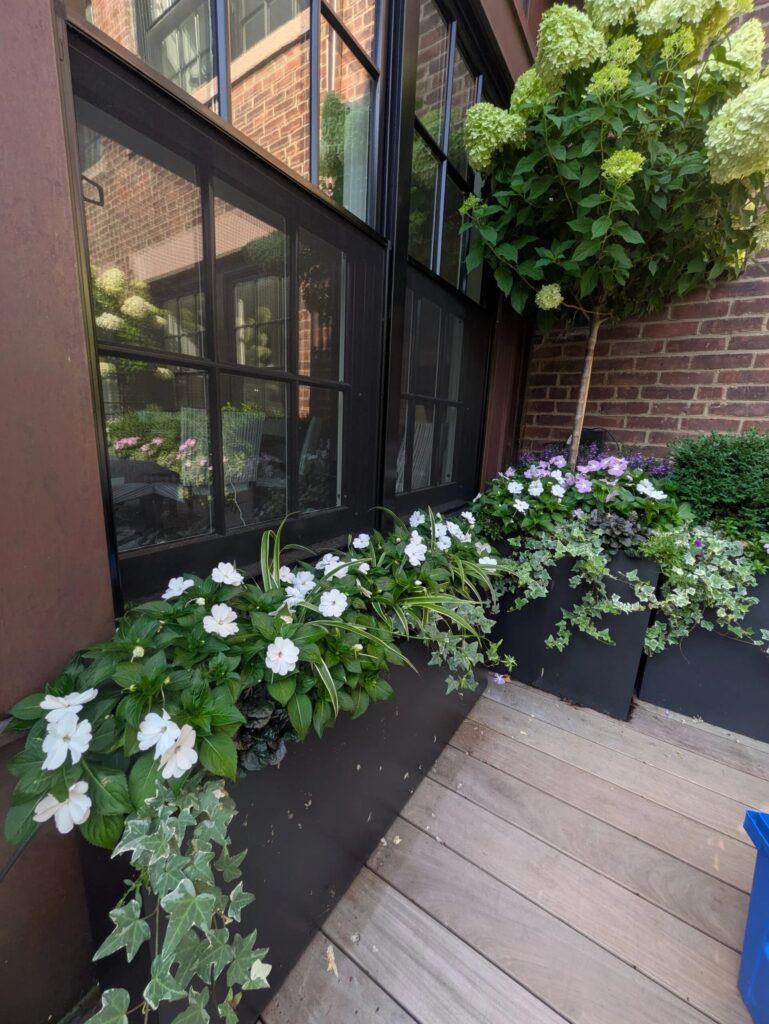
Narrow woodland light windows
Mature tree canopy on most Weston lots leaves only small, moving pockets of usable sun through the growing season. We map light exposure by season, not by a single site visit, since a bed that reads as full shade in June can get real afternoon sun once deciduous canopy thins in October. Planting plans are built around that seasonal shift rather than a single snapshot.
Deer pressure across the property line
Weston’s wooded lots sit inside an active deer corridor, and browse damage is one of the most common reasons a new planting fails in its first year. We select palettes weighted toward deer-resistant species, place vulnerable plants inside protected zones near the house, and use repellent and fencing strategies as a second layer rather than the primary defense, since no single tactic holds up on its own against sustained pressure.

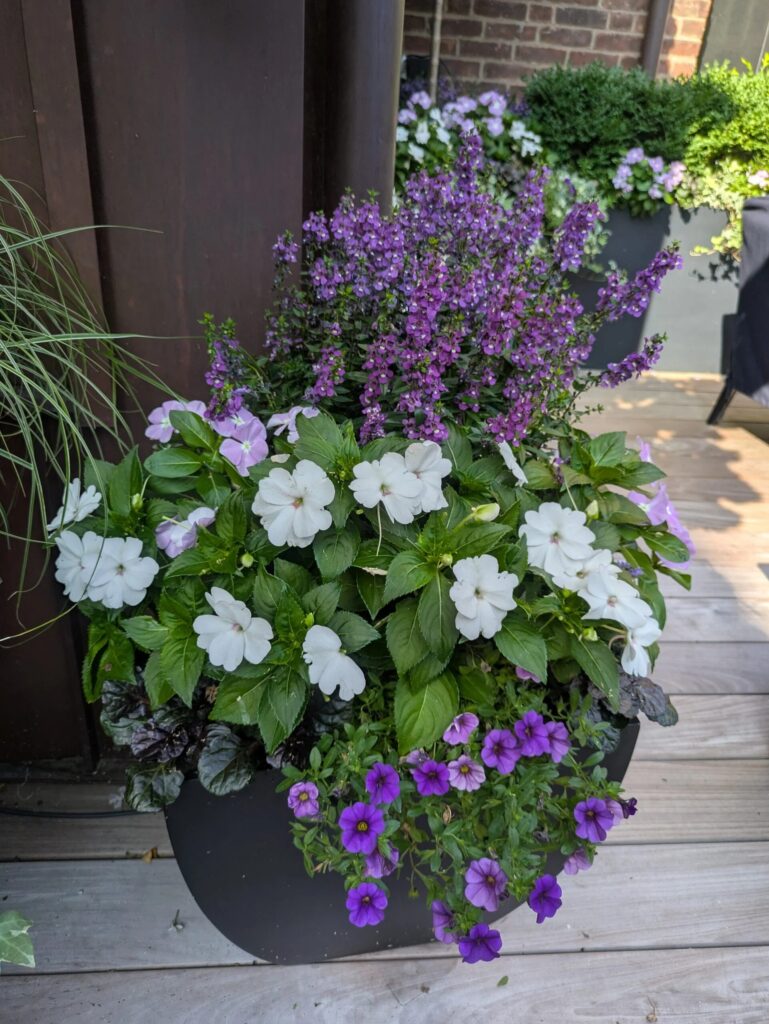
Irrigation runs from the main house line
Estate lots often place gardens, pool surrounds, and pool houses well beyond the reach of a standard irrigation zone. We design drip and spray systems with the distance built into the plan from the start — correct pipe sizing, zone valves placed to hold pressure, and controllers set up to account for the extra run time water needs to reach the far end of the property.
Access for equipment and materials
Long driveways, gated entries, and distance from the road change how material gets to a planting site on a large Weston lot. We plan delivery and equipment routes before installation begins, sequencing heavy work such as soil amendment and stone delivery so the property is not carrying idle equipment or blocked access for longer than necessary.
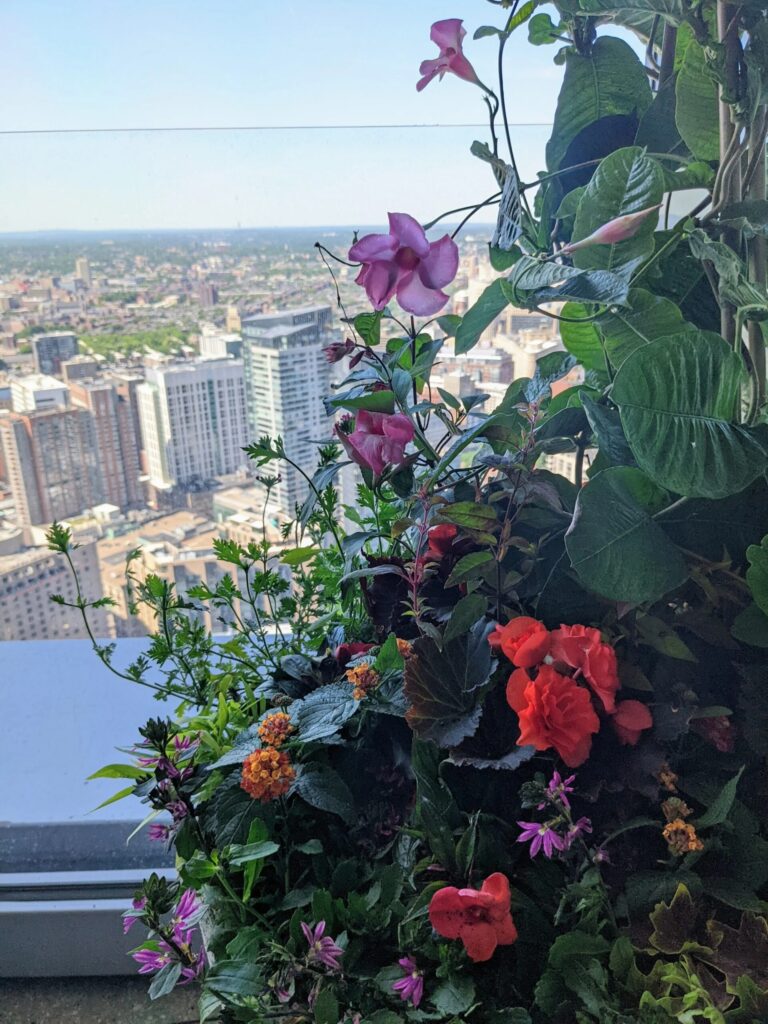
Recent Weston projects
Recent work in town has included reworking a side yard hemmed in by an existing stone wall and mature plantings, where every new bed had to be laid out around root zones that couldn’t be disturbed, and a back garden install on a sloped lot where drainage and grading drove the entire plant palette. Neither job was unusual — they reflect the lot shapes and conditions common to Weston, which is why plans built elsewhere rarely translate directly.
Other services we provide in Weston
Urban garden design is just one part of the work we do for Weston properties. Many of the same conditions that shape a compact garden plan also call for related services, so we handle those alongside the design itself rather than passing clients off elsewhere.
- Garden design and installation for new plantings and bed renovations
- Fine gardening and ongoing maintenance to keep planting schemes looking intentional
- Seasonal garden maintenance timed to New England’s growing calendar
- Spring garden cleanup and fall garden cleanup
- Drip irrigation installation and garden irrigation repair for beds that need reliable, low-waste watering
- Low-voltage landscape lighting for paths, entries, and planted courtyards
- Deer-resistant plant selection for gardens bordering conservation land or open woods
For properties with limited square footage, we also design courtyard gardens, side yard plantings, and container or raised-bed arrangements that make the most of a smaller footprint without overwhelming the space. Whether a project is a single planting bed or a full property overhaul, we scope the surrounding services needed so the garden holds up season after season.
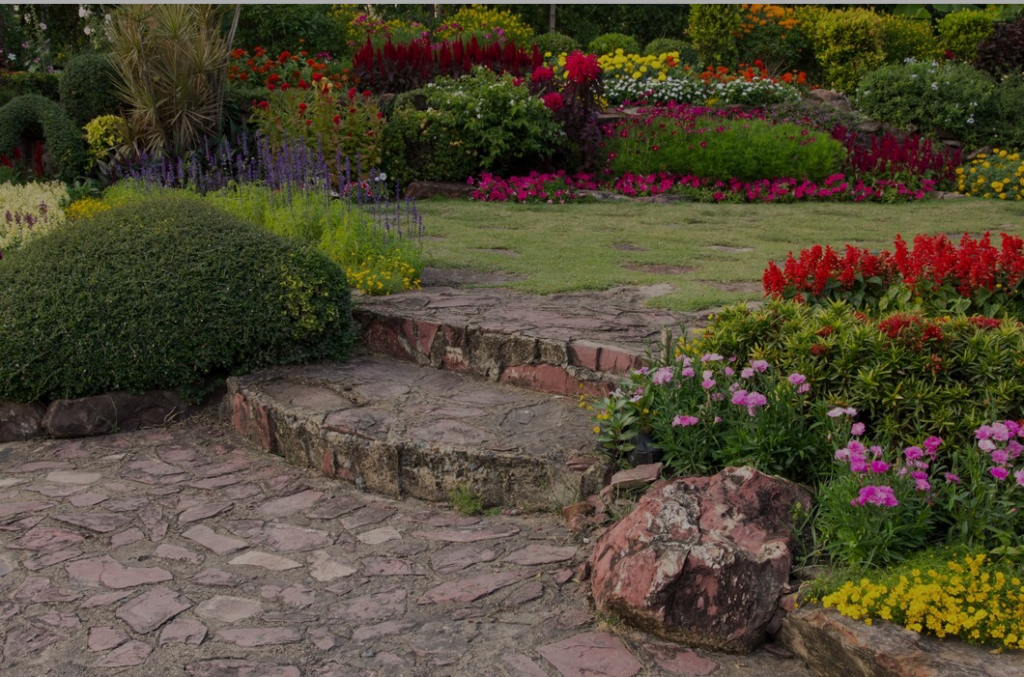
Begin your Weston garden design
Ready to reimagine your Weston property? Reach out to request a consultation. We’ll arrange a site visit to walk the grounds, note sun patterns, soil, and how the space is actually used, then return with a tailored design and a clear, itemized proposal — never a vague estimate.
What Our Customers Say
Frequently Asked Questions
Can a garden design actually keep deer out of a Weston property without a full perimeter fence?
Not entirely, but it can reduce pressure substantially. We combine deer-resistant plant selection with targeted fencing around the most vulnerable beds and a repellent rotation for anything else, which holds up far better than relying on one method alone.
How do you handle the light difference between spring and fall on a wooded lot?
We assess light exposure across the growing season, not just once, since deciduous canopy changes how much sun a bed gets month to month. Plant selection accounts for that swing rather than assuming the shade level seen on the day of the site visit.
Will irrigation reach a garden far from the house on a large lot?
Yes, with the system sized for it. Long runs need correct pipe diameter and zone planning to maintain pressure, which we calculate as part of the design rather than retrofitting after installation reveals a weak zone.
Do you work around mature trees rather than removing them?
Almost always. Mature oaks and beeches are part of what makes a Weston property valuable, and we design beds, paths, and irrigation lines to stay clear of major root zones rather than cutting through them for convenience.
Does Weston's setting affect what plants you recommend versus a Boston courtyard?
Considerably. Weston's design decisions are driven by canopy shade and deer pressure across a large lot, while a Boston courtyard project is shaped by wind, salt air, and tight access. The plant palettes and layouts differ accordingly.