- Serving Boston and the Greater Boston Area

Rooftop Garden Installation in Wellesley, MA
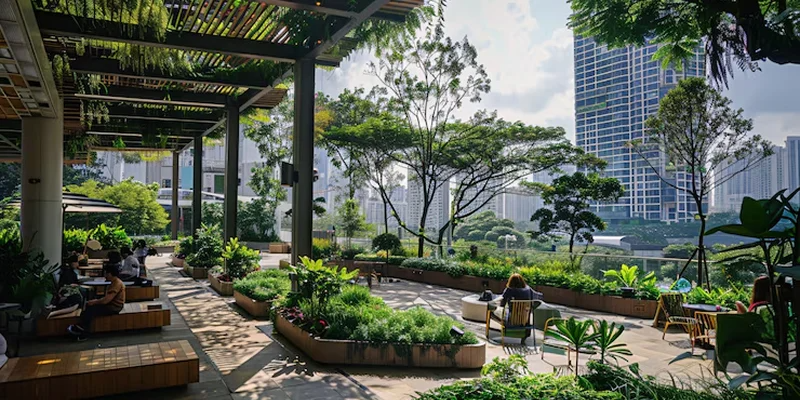
Wellesley homeowners asking about rooftop garden installation are usually not starting from a blank slate — they are trying to extend a formal, long-established garden tradition upward, onto a pool house roof, a carriage house deck, or a flat-roofed addition, without it looking bolted on. The mature tree canopy across town changes light patterns roof by roof, deer move freely between the larger lots, and the Wellesley College microclimate — cooler, wetter, more shaded in pockets near the lake and campus green space — behaves differently than a rooftop three miles away. A rooftop plan here has to answer to the formal garden below it, not just to the roof itself.

What Rooftop Garden Installation looks like in Wellesley
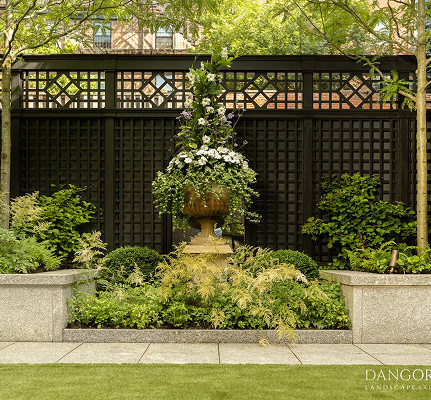
Most of our Wellesley rooftop work sits above estate-scale properties where the ground-level garden already follows a formal design language — boxwood structure, allées, a defined axis from the house. The rooftop planting has to read as a continuation of that, not a separate, trendier space competing with it. We typically use a restrained plant palette drawn from the same family as what is already established on the property: clipped forms, structured grasses, and seasonal underplanting rather than a loose, informal container scheme that would look out of place against a Georgian or Colonial Revival facade.
Light is rarely uniform. A roof deck near mature oaks or the tree line along a wooded lot line can run three or four hours shorter on direct sun than an open roof on the same street, and that gap only shows up once you’ve measured it through a full day. Wind is a second variable — Wellesley’s larger, more exposed lots and higher rooflines catch more sustained wind than a tucked-in city rooftop, which changes what survives in a container versus what needs to be bedded in a built planter with real soil mass. Soil volume, drainage, and structural load all get engineered around the specific roof, not assumed from a standard plan.
Access is usually more straightforward than in denser Boston neighborhoods — driveways, service entrances, and larger lot sizes generally allow for equipment and material delivery without the logistics puzzle of a row house. That said, many Wellesley properties fall under some form of local design review or neighborhood association guidance, and materials visible from the street or from a neighboring lot get the same scrutiny a ground-floor renovation would.
What we account for here
What we account for here
Four conditions come up on nearly every Wellesley rooftop project, and each one changes the plan before a single container goes up.
Formal garden continuity
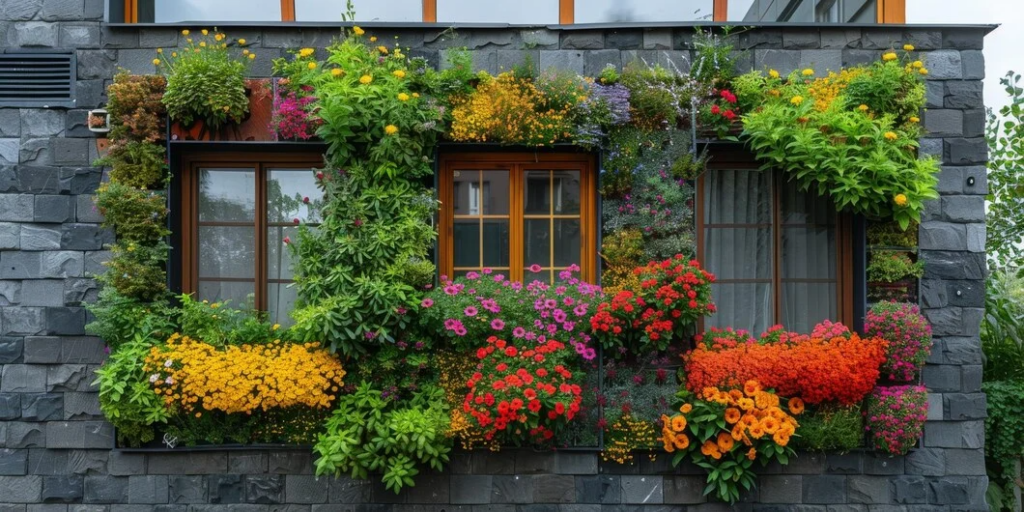
When the ground-level garden is formally designed — clipped hedging, symmetrical beds, a clear architectural axis — a rooftop planting that ignores that vocabulary looks like an afterthought from every upstairs window. We work from the existing garden’s plant palette and geometry so the roof reads as the next room in the same sequence, not a separate style exercise.
Deer pressure at the property edge
Wellesley’s larger, more wooded lots mean deer travel through more properties than owners expect, and while a rooftop itself is out of reach, adjacent terraces, lower decks, and any planting near a roof access point at ground level are not. We select and place plant material with deer behavior in mind at every level a garden touches, not just the elevated one.
The Wellesley College microclimate
Proximity to the lake, campus green space, and denser tree cover near the college creates measurably cooler, damper conditions than properties a mile or two out. Roofs in that zone hold moisture longer and see less peak sun, which shifts plant selection toward species that tolerate part shade and higher humidity rather than a full-sun palette that would scorch or wilt on a drier, more exposed roof elsewhere in town.
Wind exposure on open, elevated rooflines
Larger Wellesley properties often sit on more open ground than tightly packed urban lots, and a rooftop deck can catch sustained wind that a sheltered courtyard never would. We size planters for real soil mass and root anchorage, and choose structural plant forms — grasses, upright shrubs, well-rooted perennials — over top-heavy or brittle material that will not hold up through a Massachusetts fall and winter.
Recent Wellesley work
Recent projects in this area have included a formal rooftop terrace above a pool house, designed to mirror the boxwood parterre on the lawn below it, and a smaller roof deck off a primary suite where the brief was privacy screening and a quiet, low-maintenance planting that would not compete with a wooded backdrop. Both projects involved close coordination on plant selection to account for deer traffic at ground level and drainage engineering suited to a heavier winter snow load than a coastal Boston site would see.
Other services we provide in Wellesley
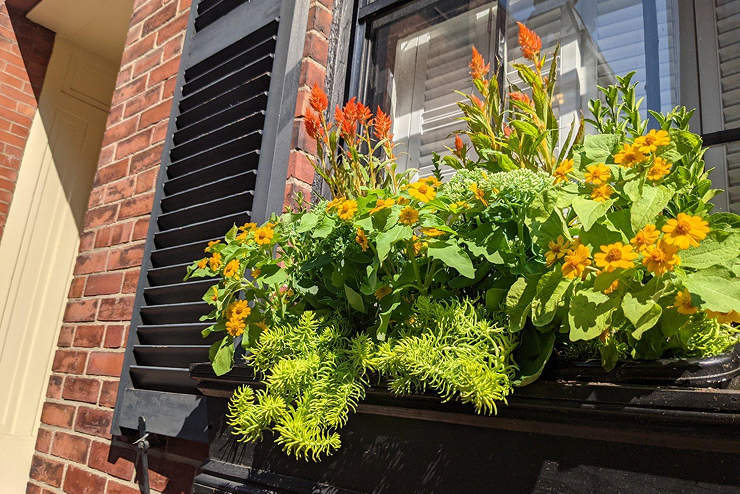
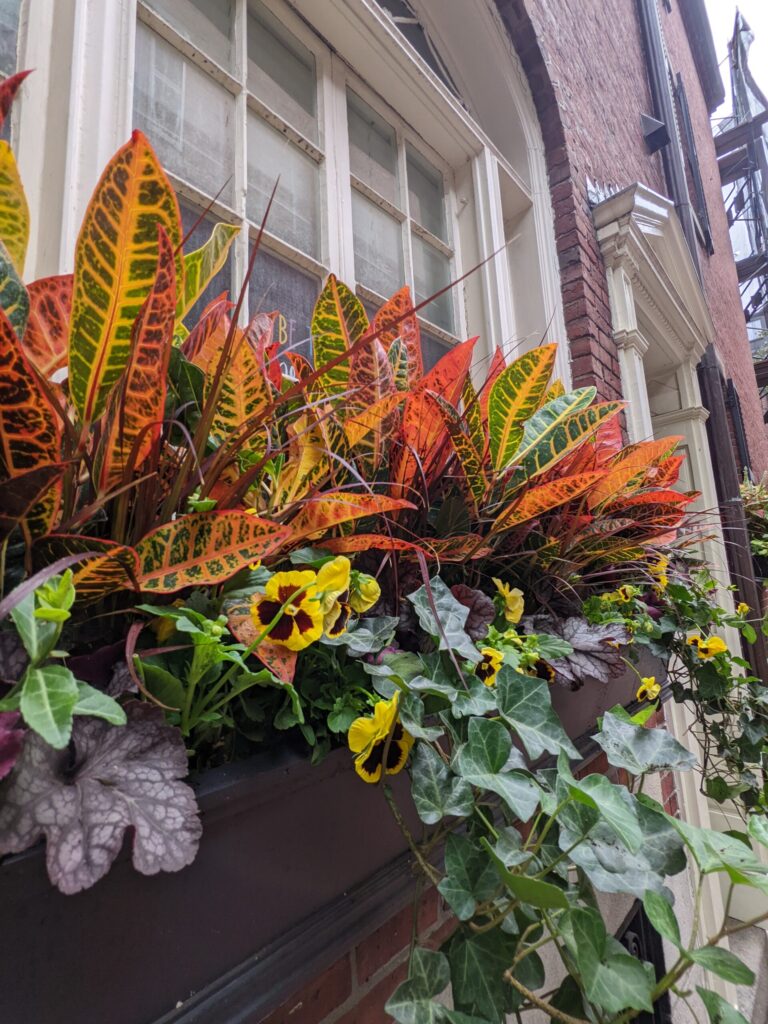
Rooftop installation is one piece of a larger Wellesley practice. We also handle full garden services in Wellesley, including formal garden design and fine gardening maintenance suited to estate-scale properties, deer-resistant planting plans for exposed lot edges, container and window box installations that match a home’s existing architectural detail, terrace and patio planting beyond the roofline, drip irrigation systems built for larger properties with variable sun exposure, and low-voltage landscape lighting designed to work with mature trees rather than around them. Property managers overseeing multiple Wellesley addresses typically bring us in for one service first and expand once the coordination proves out.
Start a Wellesley garden project
Rouvalis Gardens is based at 5 Crescent St in Wellesley, roughly 14.6 miles from Wellesley, and we schedule rooftop and estate garden consultations throughout the town on a regular basis. Call to arrange a site visit. We will assess load, light, wind exposure, and how the proposed rooftop planting should relate to your existing garden design, then follow with a written plan and installation timeline before any work begins.
What Our Customers Say
Frequently Asked Questions
Does a rooftop garden in Wellesley need to account for deer even though it's elevated?
The rooftop planting itself is generally safe from deer, but most Wellesley properties have ground-level terraces, entry plantings, or lower decks that connect to the same design plan, and those areas do see regular deer traffic. We plan plant selection across the whole property, not just the roof, so the look is consistent and nothing at grade gets browsed down.
How does the Wellesley College microclimate change what you plant on a roof?
Properties near the lake and campus green space tend to run cooler and more humid than roofs a mile or two away, with more shade from surrounding tree cover. We favor part-shade tolerant, moisture-friendly species in that zone rather than the full-sun palette that would work on a more exposed roof elsewhere in Wellesley.
Will a rooftop garden clash with our home's formal landscape design?
Not if it's planned correctly. We start from the existing garden's plant palette, geometry, and architectural cues so the rooftop reads as a continuation of the property's established style rather than a separate, mismatched space.
Can a rooftop planting handle the wind on a more open Wellesley lot?
Yes, with the right engineering. We size planters for adequate soil mass and choose structural, well-rooted plant forms suited to sustained wind, which is common on Wellesley's larger, more open properties compared to sheltered urban courtyards.
Do you handle rooftop garden installation in other western suburbs near Wellesley?
Yes. We install rooftop gardens throughout the western suburbs, including our <a href="/rooftop-garden-installation-weston-ma/">Weston rooftop garden work</a> and our <a href="/rooftop-garden-installation-lexington-ma/">Lexington rooftop garden work</a>, both of which deal with similar estate-scale conditions and formal garden continuity.