- Serving Boston and the Greater Boston Area

Planting & Maintenance in Cambridge, MA
A bed that thrives on a full-sun South End roof deck will sulk under a Cambridge street-tree canopy. Between the shade thrown by mature elms and maples along the triple-decker blocks and the design constraints of a Historical Commission district, most Cambridge gardens are working against light levels and approval processes that a generic planting plan never accounts for. Rouvalis Gardens builds and maintains gardens for this exact combination — narrow lots, old trees, and boards that review anything visible from the sidewalk.

What Planting & Maintenance looks like in Cambridge
Cambridge planting work starts with a walk of the property at the time of day the client actually uses it, because light here changes block by block. A front bed under a century-old street tree in Cambridgeport gets two or three hours of dappled sun; a rear yard behind a Victorian in Avon Hill might get none at all until the tree drops its leaves. We plant to the light that is actually there — heavy-shade perennials, ferns, and understory shrubs for the deep-canopy lots, and a different, sun-tolerant palette for the handful of properties with open southern exposure near the river.
Soil is the second constraint. Many Cambridge lots have been built on, dug up, and backfilled multiple times over a century and a half, and what is under the topsoil is rarely uniform. We test and amend bed by bed rather than assuming one soil plan works across a property, and we build drainage into anything going in near a foundation that predates modern grading.
Maintenance visits are scheduled around the realities of dense residential streets — permitted parking, narrow service alleys behind triple-deckers, and trash and recycling days that block curb access on a rotating schedule. Crews arrive with a plan for where the truck goes and how material moves to the back of the lot without crossing a neighbor’s yard, because on these blocks there usually isn’t a second way in.
What we account for here
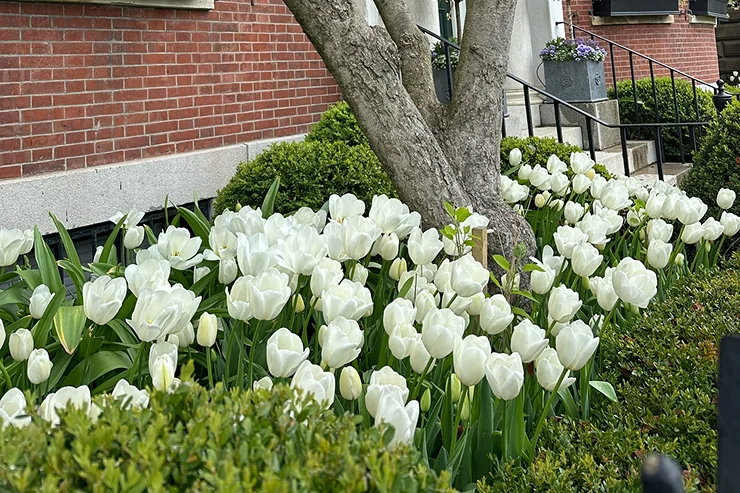
What we account for here
Cambridge properties bring their own mix of tight courtyards, clay-heavy soil, and seasonal freeze-thaw cycles. We plan planting and maintenance schedules around these realities, choosing species and care routines that hold up through the city’s changing conditions year after year.
Cambridge Historical Commission review on street-facing work
A large share of Cambridge’s housing stock sits inside a local historic district, and anything visible from the public way — front walks, fences, retaining walls, even certain plantings tied to a streetscape — can fall under Commission review. We plan front-facing work with that review in mind from the first sketch, using plant material and hardscape choices that read as appropriate to the property’s period rather than proposing something that gets sent back for revision. For clients who need to file, we provide plans in the format the Commission expects.
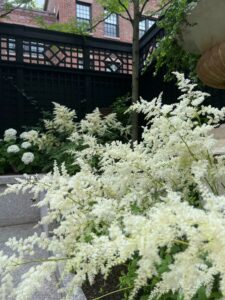
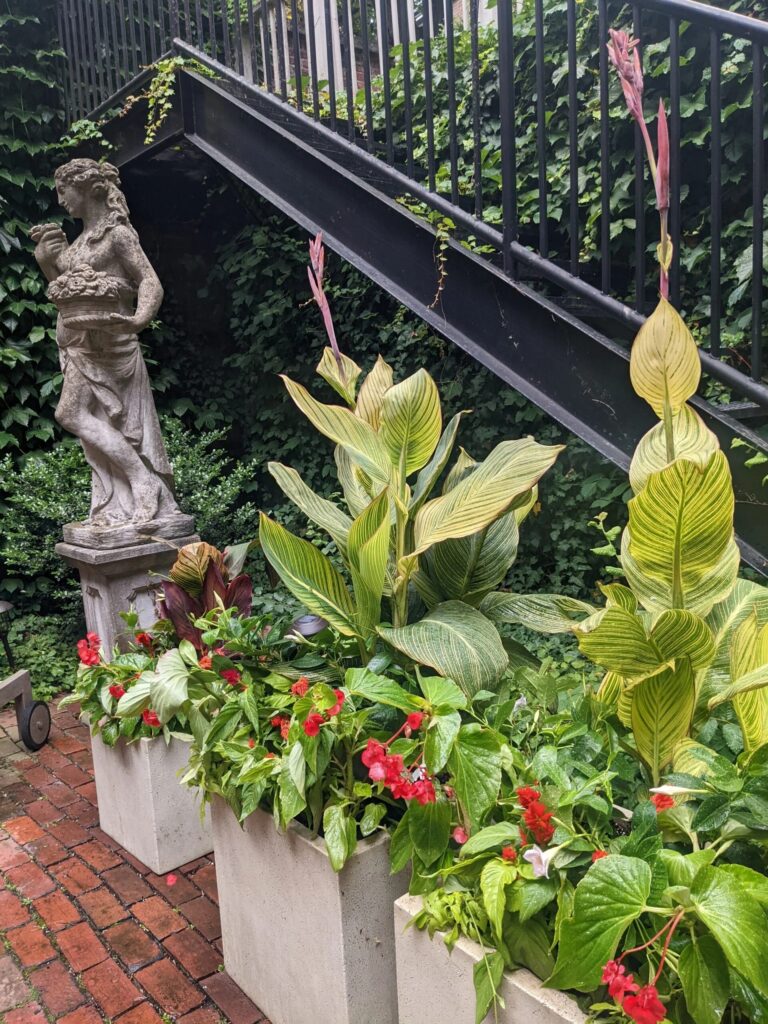
Deep shade from mature street-tree canopy
The elms, maples, and oaks that make Cambridge’s streets what they are also mean full-sun planting plans fail on a large share of these lots. Our default approach for shaded triple-decker and Victorian yards leans on hostas, astilbe, hellebores, and native woodland shrubs that hold color and structure without direct sun, along with soil amendment programs that compensate for root competition with the trees overhead.
Narrow lots and shared side-yard access
Triple-deckers were built close together, and the side yard is often the only way to the back of the property, frequently shared with or bordering a neighbor’s. We schedule deliveries and equipment moves to keep that access clear and brief, and where beds or containers are being installed in tight rear yards, we plan material sizing around what will actually fit through a three-foot gate rather than discovering the problem on install day.
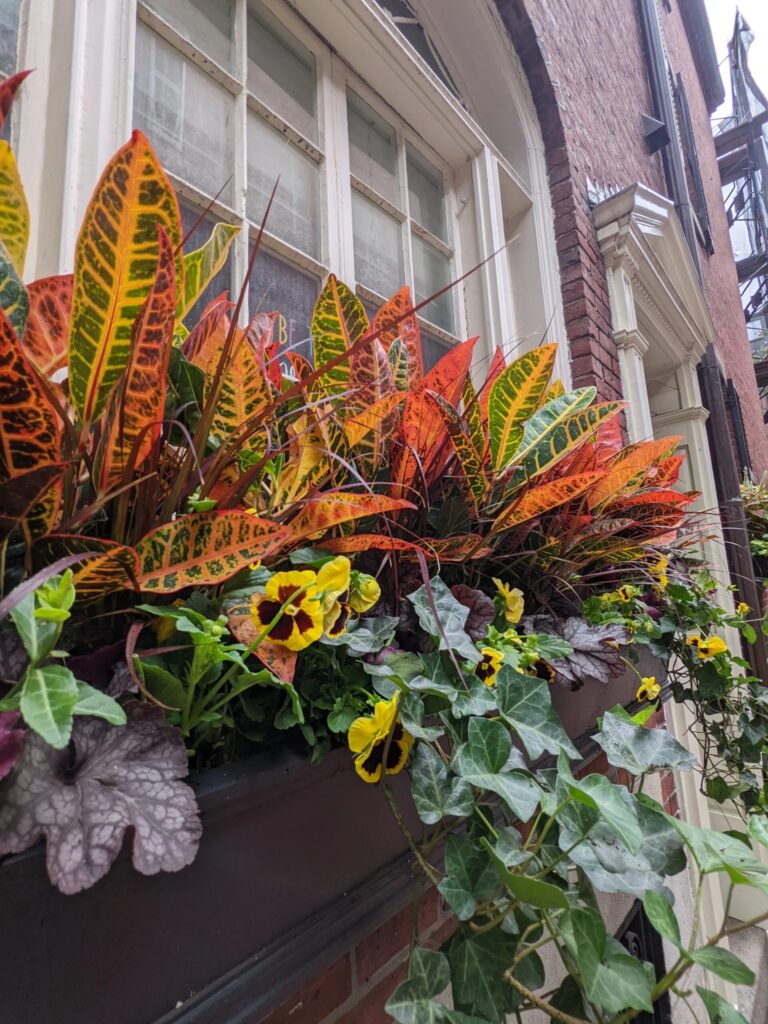
Older foundations and inconsistent drainage
Victorian-era foundations and additions built onto them over the decades create uneven grading and drainage patterns that vary from the front of a lot to the back. Before planting anything against a foundation wall, we check how water actually moves across that specific yard after rain, and we grade and amend beds accordingly rather than applying a standard planting depth that assumes even drainage.
Recent Cambridge work
Recent projects in Cambridge have included the seasonal renovation of a shade garden behind a Mid-Cambridge Victorian where a client wanted year-round structure without relying on direct sun, and an ongoing maintenance program for a triple-decker property near Central Square that required rebuilding curb-facing beds to a planting scheme the Historical Commission would approve without a lengthy filing process. Both are typical of the kind of work we take on across the city rather than one-off exceptions.
Other services we provide in Cambridge
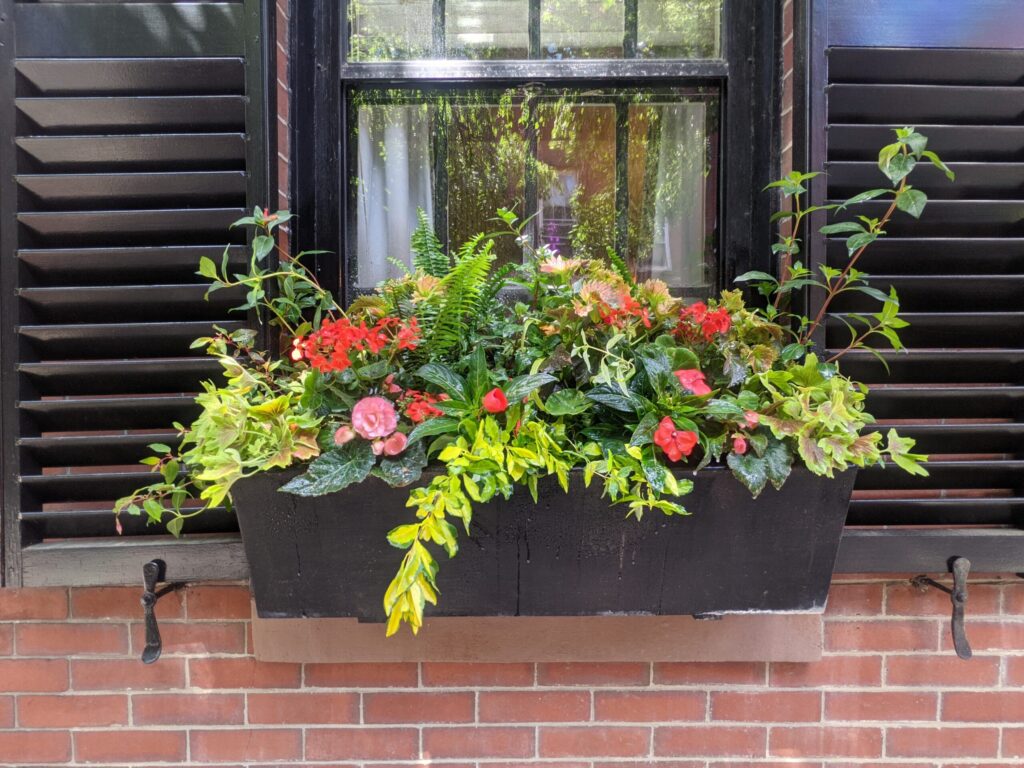
Planting and maintenance is one piece of a broader program most Cambridge clients end up using. We also handle full garden services in Cambridge, including design and installation for properties being reworked from the ground up, container and window box programs suited to street-facing triple-decker units, roof deck and terrace planting for the smaller number of Cambridge properties with usable roof space, drip irrigation runs sized to shaded versus sun-exposed beds, and low-voltage landscape lighting designed to meet Historical Commission expectations for street-facing fixtures.
Rouvalis Gardens and Cambridge
Rouvalis Gardens is based at 5 Crescent St in Cambridge, about 2.8 miles from most of the Cambridge properties we maintain — close enough for a crew to be on site on short notice for a storm-damaged bed or a pre-event cleanup, and close enough that ongoing maintenance visits stay on a predictable schedule rather than being squeezed in around a long drive. We also maintain gardens for the same planting and maintenance service in South End and Back Bay, and for Boston properties generally through our Boston planting and maintenance page.
To get started, call to arrange a walk-through of the property. We look at light, access, soil, and — if the property is street-facing in a historic district — what a review board will expect, then put together a planting and maintenance plan built around what that specific lot can actually support.
What Our Customers Say
Frequently Asked Questions
Does planting work in Cambridge need Historical Commission approval?
Only work visible from the public way in a designated historic district typically requires review — this can include front walks, fences, and certain streetscape plantings. Rear-yard and interior-lot planting is usually outside that process. We can tell you within the first site visit whether your project falls under review and, if so, prepare plans in the format the Commission expects.
What plants actually do well in Cambridge's shaded yards?
For yards under mature street trees, we typically use hostas, astilbe, hellebores, ferns, and native woodland shrubs, paired with a soil amendment program that offsets root competition from the canopy overhead. Full-sun plans are reserved for the smaller number of Cambridge lots with open southern exposure.
How do you get equipment to a rear yard on a triple-decker lot?
Most triple-deckers have a single narrow side-yard access point, sometimes shared with a neighboring property. We plan deliveries and material sizing around that access in advance and schedule the work to keep the passage clear and the disruption brief.
Do you work around Cambridge's residential parking and trash pickup schedules?
Yes. Crew and equipment schedules are set around each street's permitted parking and pickup rotation so a maintenance visit doesn't land on a day when curb access is blocked.
How far is Rouvalis Gardens from Cambridge?
Our base at 5 Crescent St in Cambridge is about 2.8 miles from most Cambridge neighborhoods, close enough to keep maintenance visits on a consistent schedule and respond quickly when something needs attention between visits.