- Serving Boston and the Greater Boston Area

Landscape Lighting in Wellesley, MA
A Wellesley property with a hundred-year-old beech canopy and a formal boxwood parterre needs a lighting plan built around shade, not sun. Deer move through most of these lots at dusk, which rules out certain fixture heights and cable routings. And the microclimate around Wellesley College — cooler, damper, slower to warm in spring — changes when your plantings leaf out and how long fixtures sit exposed before foliage fills in. A lighting design that ignores any of these three facts will look wrong within a season.

What Landscape Lighting looks like in Wellesley
Most of the estate properties we work on in Wellesley were laid out with a formal garden tradition in mind — allées, symmetrical beds, specimen trees positioned as focal points from the house. Lighting on these properties has to respect that geometry. A single well-placed uplight on a mature copper beech or a pair of path lights framing a boxwood allée does more than a dozen scattered fixtures, and it reads as intentional rather than decorative.
The mature canopy across much of Wellesley — oaks, beeches, old maples along the older estate roads near the College — means a lot of the property sits in dappled or full shade even at midday. That changes fixture selection. We favor lower-lumen, warmer-temperature fixtures under heavy canopy, since anything bright enough to compete with open-sky brightness elsewhere on the property will blow out the shadow detail that makes canopy trees worth lighting in the first place.
Deer pressure is a constant here, and it affects lighting placement more than people expect. Fixtures and cable runs get placed and routed to survive browsing traffic — housings set back from the browse line, wire runs buried deeper or routed along hardscape edges rather than through open bed lines deer travel nightly. We’ve replaced enough chewed low-voltage wire on other people’s installs to build every Wellesley job around avoiding it from the start.
The Wellesley College microclimate — generally a few degrees cooler and damper than properties closer to Route 9 — also means soil stays wet longer into spring and leaf-out lags by a week or two some years. That affects when we schedule installation (we wait for ground conditions that won’t disturb root zones near specimen trees) and how we size transformers, since damp soil and denser root mats change how conduit and connections need to be sealed against moisture intrusion over time.
What we account for here
What we account for here
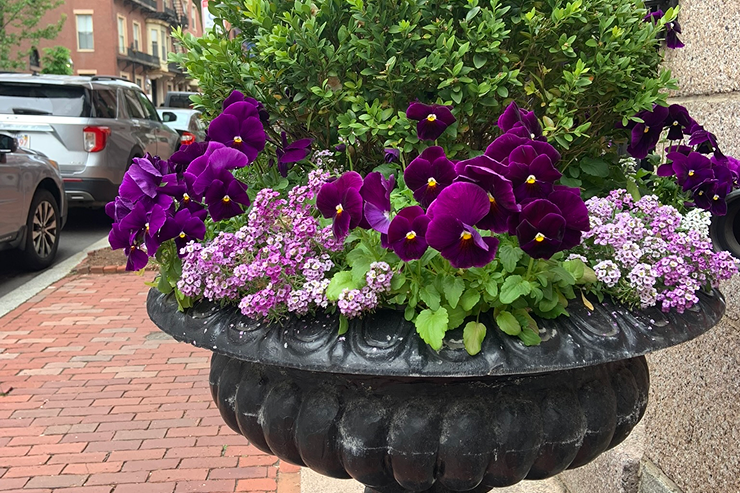
Wellesley properties often mix stone walls, mature plantings, and winding drives that need more than a single floodlight. We plan fixture placement, beam angles, and wiring routes around each landscape’s layout so lighting highlights entries, walkways, and plantings evenly without hot spots or dark gaps.
Mature canopy and deep shade
Century-old trees on many Wellesley lots mean lighting zones that are shaded even at noon and nearly dark by late afternoon in fall and winter. We spec warmer color temperatures and lower output for these zones so the effect looks like moonlight filtering through branches rather than a stage set, and we place fixtures far enough from trunks that future root growth won’t heave or crack housings.
Deer traffic through planted beds
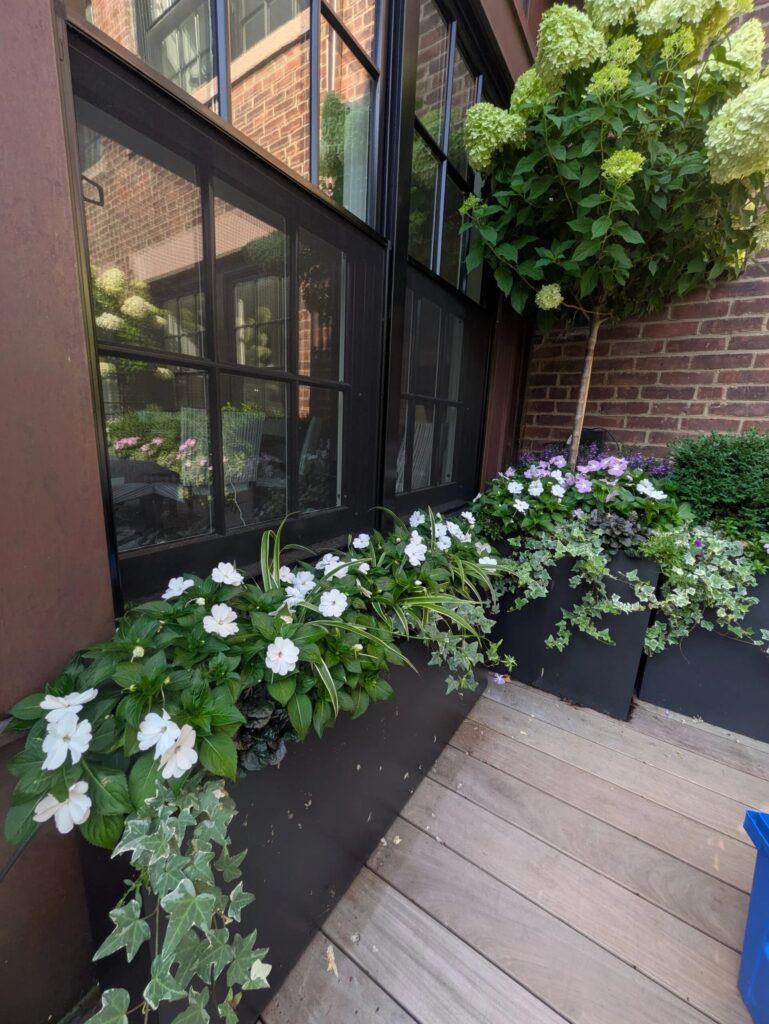
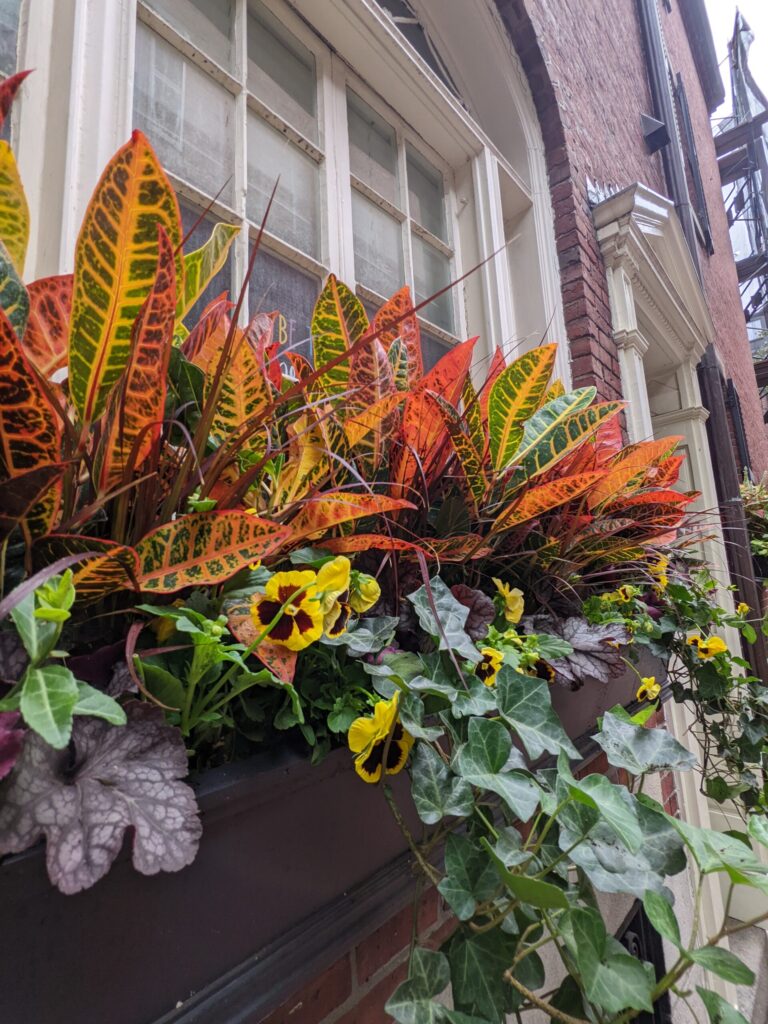
Nightly deer movement through perennial and shrub beds is close to universal on the properties we serve here. Cable is buried below typical hoof disturbance depth or run along hardscape edges, and fixtures are set with housings and stakes that don’t present an easy target for browsing or antler rub during rutting season.
Historic district and estate review boards
A number of Wellesley properties, particularly older estate parcels, fall under some form of local historic or architectural review. Where that applies, we design fixture placement and any visible hardware to stay unobtrusive from the street and public sightlines, and we can prepare the documentation a review board typically wants before installation begins.
Cool, damp microclimate near the College
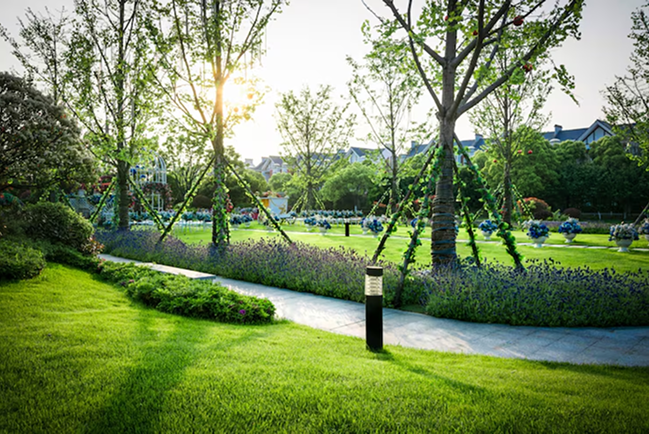
The pocket microclimate around Wellesley College holds moisture and cooler temperatures longer into the season than surrounding towns. We seal every low-voltage connection to a standard that assumes prolonged dampness, not occasional rain, and we schedule installation around soil conditions rather than a fixed calendar date.
Recent Wellesley work
Recent work in town has included lighting a formal front allée on an estate property to highlight a symmetrical hedge line from the street without over-lighting the facade, and a full canopy-tree uplighting plan for a wooded rear lawn where the client wanted the mature trees to read as the evening focal point rather than the house itself. Both jobs required routing cable around active deer paths identified during the site walk, and both were designed to stay within what the town’s review process would consider unobtrusive from any public vantage point.
Other services we provide in Wellesley
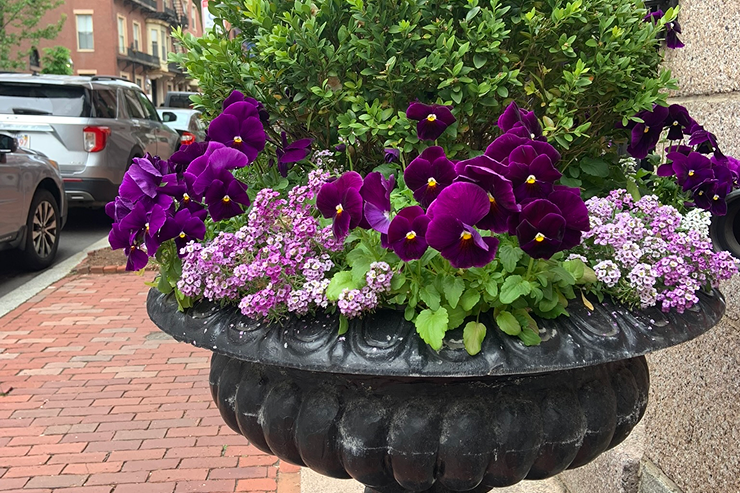
Landscape lighting is one piece of a broader program most Wellesley clients ask us to manage together. We provide full garden services in Wellesley, including garden design and installation built around the estate’s existing formal structure, fine gardening and ongoing maintenance that keeps mature beds and hedges in proportion, containers and window boxes for entries and terraces, roof deck and terrace planting where a property includes elevated outdoor space, and drip irrigation systems designed to work with the town’s soil and canopy shade rather than against them. Lighting is typically the last layer we add once the planting plan is set, since fixture placement depends on where the beds, specimen trees, and hardscape end up.
Landscape Lighting, Wellesley, MA — 14.6 miles from our Wellesley base
We travel to Wellesley regularly from our Wellesley location at 5 Crescent St, a drive of about 14.6 miles that puts most estate properties within a comfortable same-day visit for both the initial design walk and the installation crew. Call to arrange a consultation — we’ll walk the property, note canopy, deer paths, and any review-board constraints on site, and follow up with a fixture plan and quote before any cable goes in the ground.
What Our Customers Say
Frequently Asked Questions
Will landscape lighting damage mature trees on our Wellesley property?
No, if it's installed correctly. We mount uplights on stakes set well clear of the root flare and avoid strapping fixtures directly to trunks. Cable is routed around, not through, the critical root zone of any specimen tree.
Does landscape lighting need historic commission approval in Wellesley?
It depends on the property and its review status. Some estate parcels and district-adjacent properties require sign-off on visible exterior fixtures. We can help identify whether your property falls under review and prepare the plan the board typically expects.
Will deer damage our lighting system?
Deer occasionally disturb shallow-buried cable or knock loose fixtures while browsing. We bury cable below typical disturbance depth and place fixtures away from the most heavily used browse lines identified during the site walk, which significantly reduces the issue.
How does the Wellesley College microclimate affect the lighting install?
Soil around that pocket of town stays cooler and wetter longer into spring than surrounding areas, so we schedule installation around ground conditions rather than a fixed date and seal every connection to handle sustained dampness.
How far is Wellesley from your Wellesley location?
About 14.6 miles, which keeps travel time reasonable for both the design consultation and the installation crew.