- Serving Boston and the Greater Boston Area

Landscape Lighting in Cambridge, MA
A Cambridge front walk shaded by a hundred-year-old street tree stays dark long after the sun sets over the triple-decker next door, and that darkness is exactly what most calls to us start with. Add a Victorian facade under Cambridge Historical Commission review, a shared driveway with a neighbor, and porch steps that need to be safe without looking like an airport runway, and you have the real design problem. Landscape lighting here is less about drama and more about solving three things at once: safety, a review board, and a canopy that blocks half the sky.

What Landscape Lighting looks like in Cambridge
In neighborhoods like Mid-Cambridge, Cambridgeport, and the streets around Avon Hill, the housing stock does most of the talking. Triple-deckers have stacked porches and multiple entries that each need their own low, unobtrusive light rather than one bright fixture trying to cover three floors of egress. Victorians bring bracketed cornices, bay windows, and clapboard detail that read beautifully when grazed with a soft downlight but look flattened and cheap under anything too direct or too blue in color temperature.
Then there is the canopy. Cambridge’s street trees, many of them protected, throw dense shade over front yards and sidewalks well into the evening even in midsummer, and root systems from those same trees run shallow and wide under front lawns, which changes where a fixture or a wire run can safely go. We plan transformer placement and low-voltage runs around root zones rather than through them, and we favor path and step lights with tighter beam spreads that work with the dappled light instead of fighting it.
Because so much of Cambridge sits inside a local historic district, fixture selection is not just an aesthetic choice — it is often a submission. We choose fixtures with a finish and silhouette that read as appropriate to the period of the house, keep sightlines from the public way uncluttered, and document the plan clearly enough that if a homeowner needs to bring it to the Historical Commission, the paperwork is already halfway done. None of this is generic outdoor lighting dropped onto a Cambridge address — it is a plan built around a specific street tree, a specific facade, and a specific board.
What we account for here
What we account for here
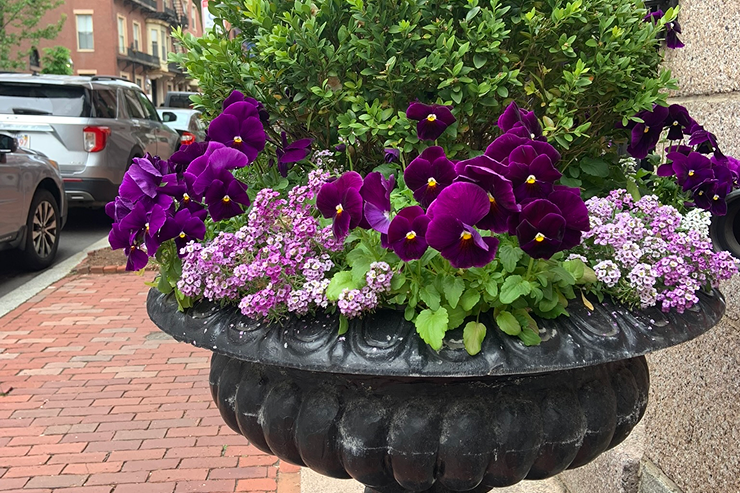
Cambridge properties bring their own mix of variables — dense plantings, tight side yards, shared driveways, and wiring runs that have to work around existing hardscape. We plan transformer placement, fixture count, and cable paths before install day, so the lighting layout holds up against the site conditions rather than fighting them.
Historical Commission sightlines and facade detail
Many Cambridge blocks fall under local historic district review, which means visible fixtures, mounting locations, and even color temperature can be part of what gets approved. We design toward that from the start — low-profile fixtures, warm color temperatures that suit a Victorian or Federal facade, and wiring concealed in existing trim or garden beds so the exterior reads unchanged by day.
Mature street-tree shade and root zones
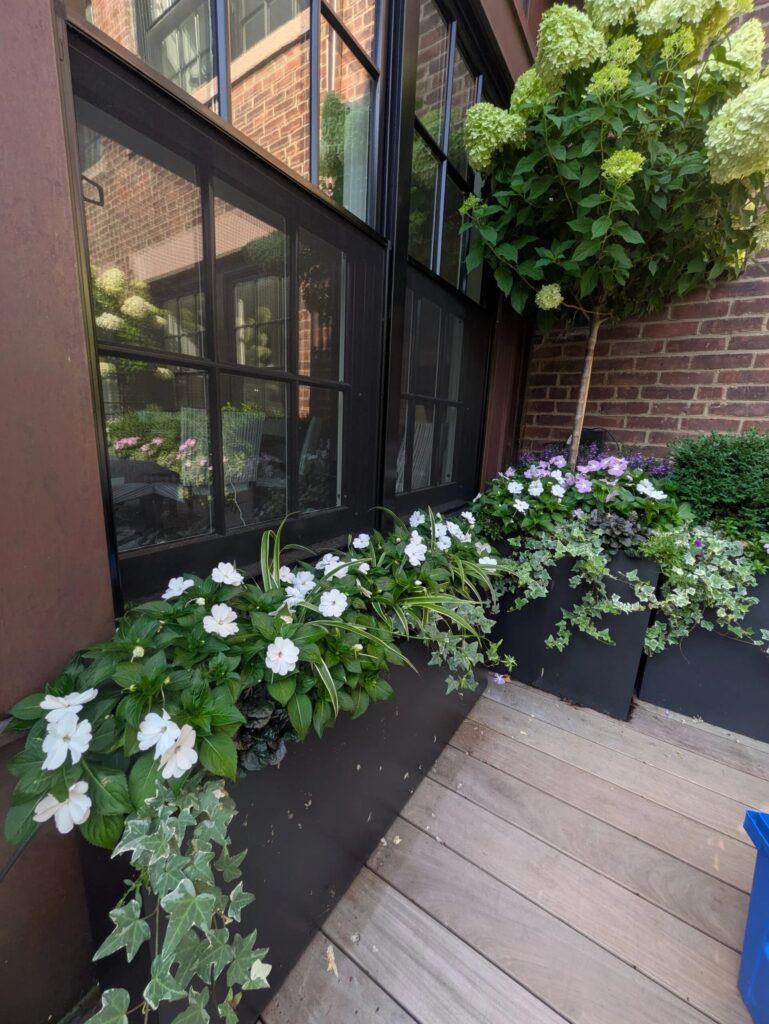
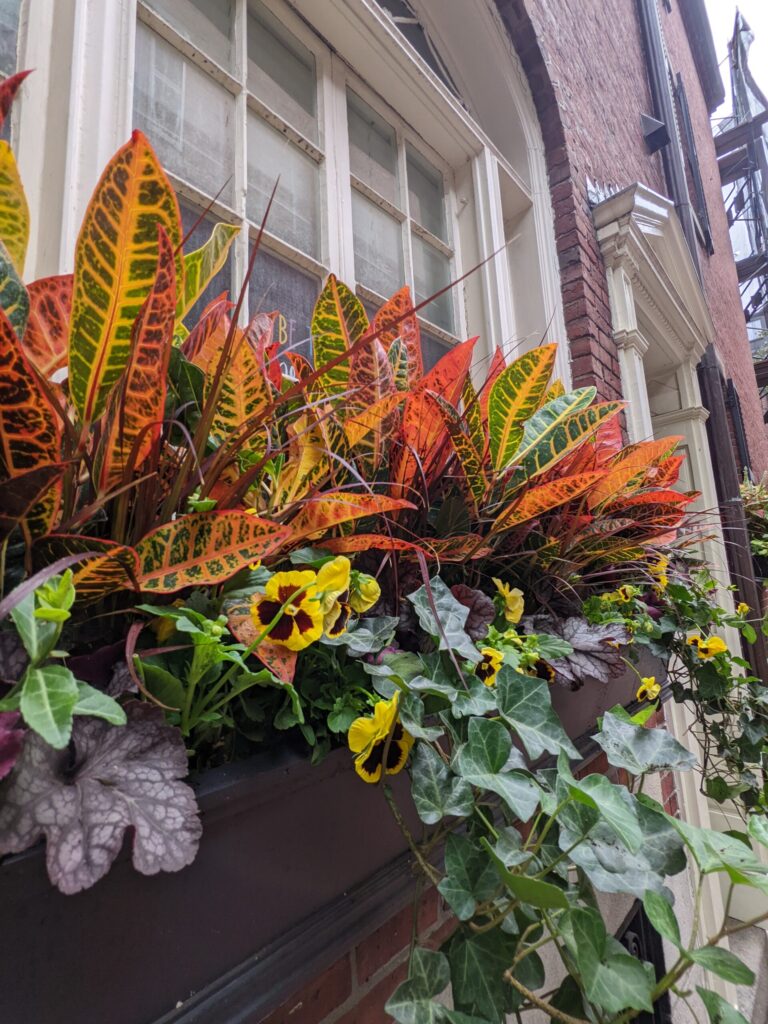
Cambridge’s canopy is a genuine asset and a genuine constraint. Front yards that sit under a large maple or oak get filtered light all season, so fixture placement has to account for where that shade falls at dusk, and every wire run and stake location is checked against the tree’s root spread before we dig.
Triple-decker access and shared egress
A triple-decker often means three separate entries, a shared driveway, and sometimes a rear porch that serves two or three units. We plan lighting per entry point, keep transformers and controls accessible for whichever unit’s electrical service they tie to, and route cable along property lines that respect a shared-access agreement rather than assuming one owner controls the whole lot.
Compact urban lots and narrow side yards
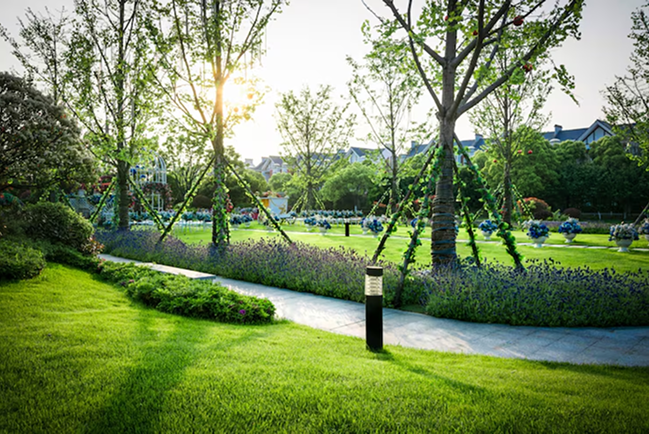
Cambridge lots are frequently long and narrow, with a side yard barely wide enough to walk through and a small rear garden that does double duty as the only outdoor space a household has. We use fewer, better-placed fixtures rather than lining every edge, so a narrow side passage gets safe footing without glare bouncing off close walls on both sides.
Recent Cambridge work
A recurring project type for us in Cambridge is a triple-decker conversion where the owner has renovated the interior and wants the exterior — porch steps, a shared front walk, and a small rear yard — to feel finished and safe at night without drawing attention from the street. Another common brief comes from a Victorian near one of Cambridge’s historic squares, where the goal is to graze the facade’s trim and bay windows just enough to read well from the sidewalk while keeping every fixture inconspicuous by day, consistent with what a historic district review expects to see.
Other services we provide in Cambridge
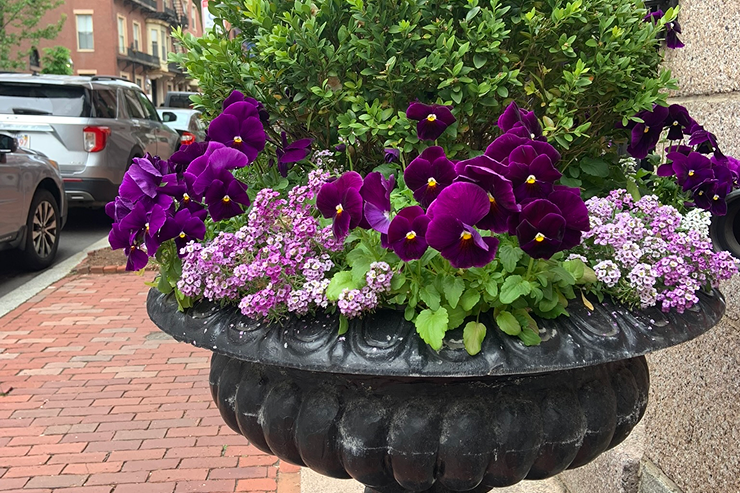
Landscape lighting is one part of a broader garden services program in Cambridge. We also handle full garden design and installation for front yards and rear gardens tucked behind triple-deckers, fine gardening and ongoing maintenance calibrated to a heavily shaded, tree-lined lot, containers and window boxes for porches and stoops where in-ground planting isn’t an option, roof deck and terrace planting for the flat and low-slope roofs common on Cambridge multi-families, and drip irrigation designed to work around shallow tree roots and compacted urban soil. If you’re weighing lighting against any of these, one conversation can cover the whole property.
What Our Customers Say
Frequently Asked Questions
Do I need Cambridge Historical Commission approval for landscape lighting?
It depends on the district and how visible the fixtures are from the public way. Many Cambridge properties sit inside local historic districts where exterior changes, including some lighting installations, go through a review process. We design with that in mind and can prepare documentation to support a submission if your property requires one.
Will the street trees in front of my house affect the lighting design?
Yes, and we plan around it rather than working against it. Mature street-tree canopy changes how much ambient light a yard gets at dusk and where roots run underground, so fixture placement and wire routing are set based on your specific tree and its root zone, not a standard layout.
Can lighting be installed without disturbing a shared driveway or triple-decker entry?
Generally yes. We route low-voltage cable along property edges and through planting beds where possible, and we schedule work around shared access so other units or a shared driveway stay usable throughout the installation.
How long does a typical Cambridge lighting installation take?
Most single-family and triple-decker projects are completed in one to two days once the design and any required historic district paperwork are finalized. Larger properties with multiple entries or a rear garden lighting scheme can take longer.
Do you serve all of Cambridge or just certain neighborhoods?
We work across Cambridge, including Mid-Cambridge, Cambridgeport, Avon Hill, and the streets near Harvard and Central Squares, and we're happy to discuss a property in any part of the city.