- Serving Boston and the Greater Boston Area

Garden Maintenance in South End, MA
A South End front garden is usually a narrow strip behind a wrought-iron rail, in shadow for half the day from a bowfront brick facade across the street, and visible to every neighbor on the block. Many of these plots share a rear yard or alley with three or four other rowhouses, which means one overgrown bed or one dead shrub becomes a conversation for the whole community garden association, not just the owner. Maintenance here has to account for close sightlines, shared access, and a Landmark District review board that has opinions about what goes in the ground.

What Garden Maintenance looks like in South End
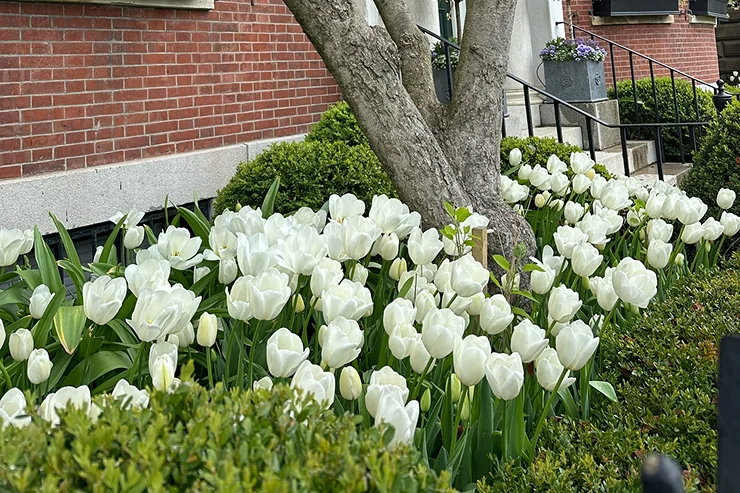
Most South End gardens fall into one of two categories: the small formal front bed framed by the bowfront and iron fence, or the long narrow strip running back from the house to an alley or shared courtyard. Both are compressed spaces where every plant is on display and there is no room for a struggling specimen to hide in a back corner. We treat these as edited compositions rather than open beds — dense but restrained planting, clean edges against brick and stone, and a pruning schedule that keeps boxwood and hedge lines crisp against the facades that give the block its character.
Light is uneven and often worse than it looks on paper. A south-facing bowfront can throw deep shadow across a front bed for most of the afternoon, while a rear alley garden squeezed between two brick party walls may get only a few hours of direct sun even in midsummer. We read each garden’s actual light pattern before setting a plant palette or a watering schedule, rather than assuming a street-facing bed behaves like the open yards found elsewhere in Boston.
Soil in the older South End rowhouse lots is frequently compacted fill, sometimes shallow over old foundation rubble, and slow to drain after a hard rain. We test and amend rather than replace wholesale, since many of these beds sit directly against a party wall or a shared drainage line that a full excavation would disturb. Because so many gardens here are shared — a rear courtyard split among four owners, a community plot maintained by an informal rotation — we also build maintenance schedules that respect whose turn it is to water, and we document the work so the arrangement stays fair and visible to everyone using the space.
What we account for here
What we account for here
Bowfront shade and reflected heat
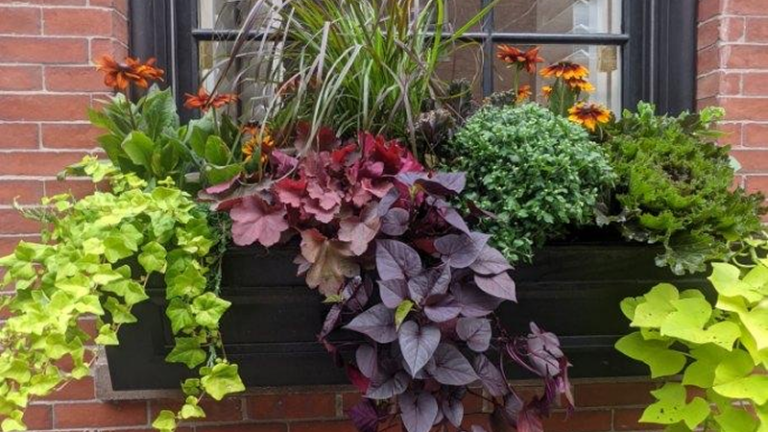
The curved brick bay fronts common throughout the South End cast irregular shadow patterns that shift through the season and also radiate heat back into the bed in summer. We select and rotate plantings that tolerate both the shade window and the heat bounce, rather than a single generic shade mix.
Landmark District review
Much of the South End sits inside a Boston Landmark District, and visible front-yard changes — new plant material, fencing, structural containers — can require a hearing before the district commission. We prepare materials and plant lists in the format the commission expects so ongoing maintenance stays compliant and one-off changes do not stall out mid-season.
Shared alley and courtyard access
Long narrow lots often mean the only way into a rear garden is through the house or down a shared alley with three neighbors’ gates. We schedule visits around that access, keep equipment compact enough to move through tight passageways, and coordinate timing with building managers or garden association contacts so no one is left holding a gate.
Compacted soil and slow drainage
Generations of foot traffic and old fill mean many South End beds drain poorly after summer storms. We build in soil amendment and spot drainage correction as part of the standing maintenance visit rather than treating it as a separate emergency call.
Recent South End work
A typical recent engagement involved a shared rear courtyard behind a row of four bowfront townhouses, where the planting had been maintained inconsistently for years and had fallen out of proportion with the brick and ironwork around it. The work centered on resetting the bed lines, correcting drainage along the party-wall side, and establishing a shared watering and pruning schedule the owners could split evenly going forward. We have done similar resets on single-lot alley gardens and on Landmark District-fronting beds where the plant palette needed to be reapproved before installation could proceed.
Other services we provide in South End
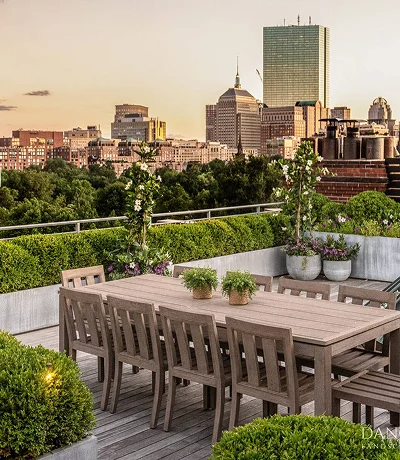
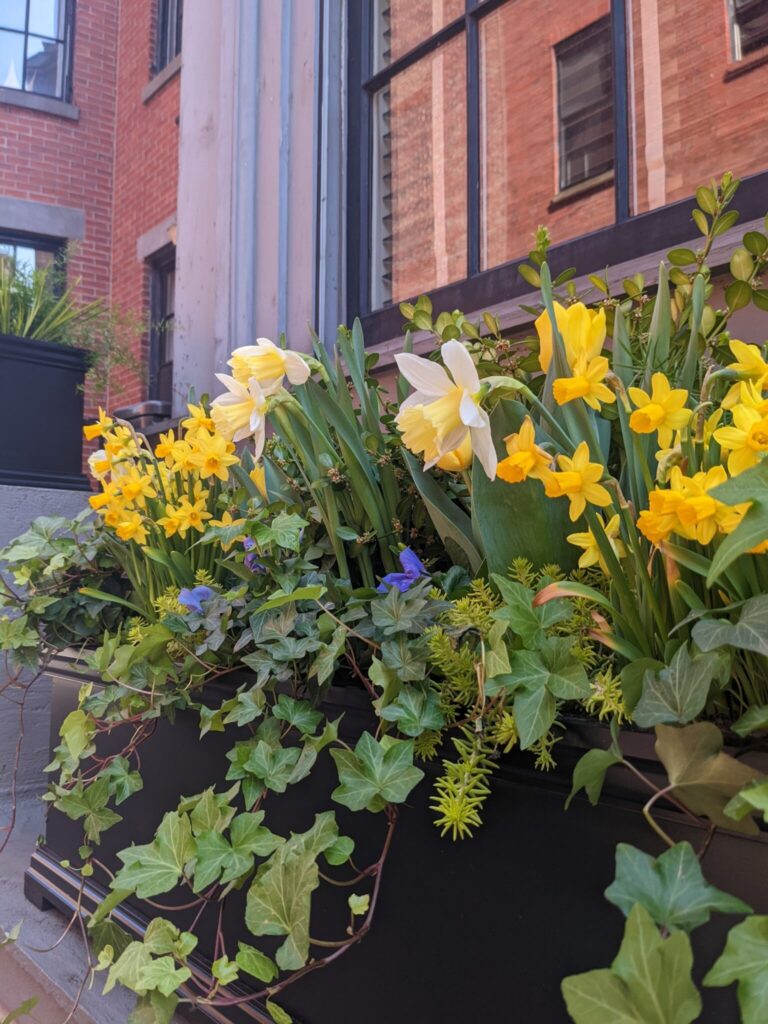
Garden maintenance is one piece of a broader practice in the neighborhood. For owners planning a fuller reset rather than ongoing upkeep, our garden services in South End page covers design and installation for bowfront front beds, rear courtyards, and long alley lots. We also install and service drip irrigation sized for narrow beds and shared plots, low-voltage lighting that respects Landmark District sightlines after dark, and container and window box plantings scaled to the bowfront’s proportions. Roof deck and terrace planting is common on the taller South End rowhouses where rear yard space is limited or shared, and we build those installations to handle wind exposure and weight limits specific to older roof structures. If you are weighing maintenance against a full redesign, it is worth a single conversation before committing either way.
Maintenance across Boston and the western suburbs
South End’s constraints — Landmark District review, shared alley access, compacted rowhouse soil — are particular to this neighborhood, but the standard of care is consistent across our client base. See our broader garden maintenance in Boston overview, and if you split time between the city and the suburbs, we provide the same standing maintenance service in Brookline and Cambridge.
What owners and associations tell us matters most
In a neighborhood where gardens are visible from the sidewalk and often shared among several households, consistency matters as much as skill. Owners want a crew that shows up on schedule, leaves the space looking deliberate rather than merely tidy, and can speak to the Landmark District process without the owner having to translate. Garden associations managing a shared courtyard want one point of contact and a record of what was done and when, so the arrangement stays equitable across the households using it.
Start South End garden maintenance
Rouvalis Gardens is based at 5 Crescent St in South End, about 3.1 miles from the South End, and we maintain bowfront front beds, rear courtyards, and shared alley gardens throughout the neighborhood on a standing schedule. Call to arrange a walk-through of your garden. After that visit, we send a written maintenance plan and schedule — including any Landmark District documentation your bed requires — so the next step is simply approving it and setting a start date.
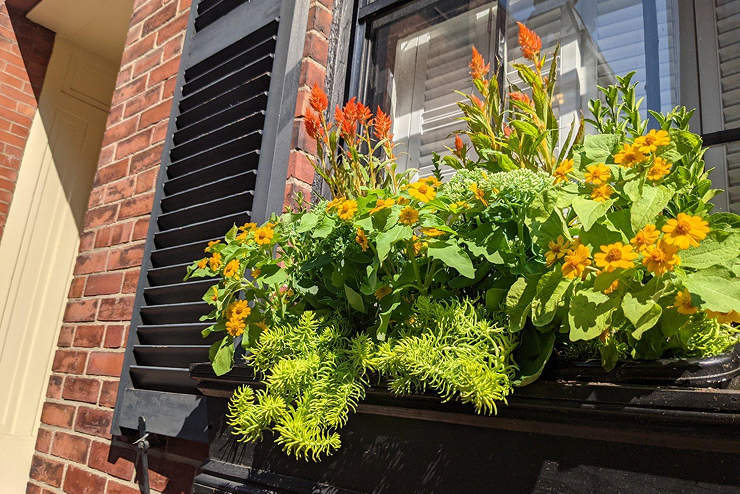
How a maintenance schedule gets set up
We start with a walk-through of the actual garden — front bed, rear courtyard, or both — noting light, drainage, access points, and whether the property falls inside the Landmark District boundary. From there we set a visit frequency that matches the season and the garden’s needs rather than a fixed generic interval, and we put the schedule in writing so building managers, garden associations, or co-owners all have the same information. Adjustments happen as the season shifts — more frequent visits during peak growth, less during dormancy — without requiring a new conversation each time.
What Our Customers Say
Frequently Asked Questions
Does my South End garden need Landmark District approval before maintenance can start?
Routine maintenance — pruning, weeding, seasonal cleanup — generally does not require a hearing. Changes to plant material or structures visible from the street may need review if your property sits inside the Landmark District boundary, and we handle that documentation as part of the project when it applies.
How do you handle a garden that's shared with neighbors in a rear courtyard?
We set a written schedule and scope everyone agrees to up front, so the arrangement is documented rather than informal. We can also work directly with a garden association or building manager as the single point of contact.
My rear garden only has access through the house or a shared alley — is that a problem?
No, but it does change how we schedule. We coordinate visit timing with the owner or association contact and use equipment sized for tight alley and interior access, so the visit doesn't disrupt the household or the neighbors.
Why does my bowfront front bed struggle even though other blocks look fine?
Bowfronts cast irregular shadow and reflect heat differently depending on orientation, so two beds a block apart can have very different light conditions. We plant to the bed's actual light pattern rather than a standard front-yard mix.
How far is Rouvalis Gardens from the South End?
We're based at 5 Crescent St in South End, about 3.1 miles away, and maintain gardens throughout the South End on a regular schedule.