- Serving Boston and the Greater Boston Area

Garden Maintenance in Cambridge, MA
A front bed under a hundred-year-old street tree in Cambridge behaves nothing like a bed in an open Newton yard, and maintenance that ignores that fact fails within a season. Triple-decker lots run narrow and deep, Victorian foundation plantings sit in the dry shade thrown by a mature canopy the city protects, and many facades fall inside a Cambridge Historical Commission district where even a hedge line can be a matter of record. Garden maintenance here means reading each of those conditions correctly, not applying a standard visit schedule and hoping the plants agree.

What Garden Maintenance looks like in Cambridge
Most of the maintenance work we do in Cambridge starts with the same observation: the planting plan was likely chosen for a sunnier lot than the one it’s actually growing in. Street trees along Brattle, Huron, and the side streets off Massachusetts Avenue have thickened over decades, and a bed that got four hours of sun when it was installed may now get ninety minutes. Our maintenance visits account for that shift — thinning where growth has gotten leggy from reaching for light, swapping in shade-tolerant perennials where a sun-loving plant is failing slowly, and adjusting watering so beds under tree canopy, which dry out unevenly due to root competition, don’t get the same blanket schedule as an open bed.
Triple-decker and Victorian lots also constrain how we work. Many gardens here are reached through a narrow side yard or a shared driveway, which means equipment stays small and scheduling has to respect close-set neighbors — no idling mowers at 7am on a shared block. Soil on these older lots is frequently compacted from a century of foot traffic and construction, so a maintenance program usually includes periodic aeration and topdressing rather than just cutting and deadheading.
Where a property sits inside a Cambridge Historical Commission district, maintenance decisions get a second layer of scrutiny. Hedge height along a front lot line, the visibility of a fence from the public way, and even the removal of an overgrown foundation shrub can carry review implications depending on the district and the specific property. We flag anything that looks like it crosses from routine maintenance into an alteration a board would want to weigh in on, so a homeowner isn’t caught off guard mid-project.
What we account for here
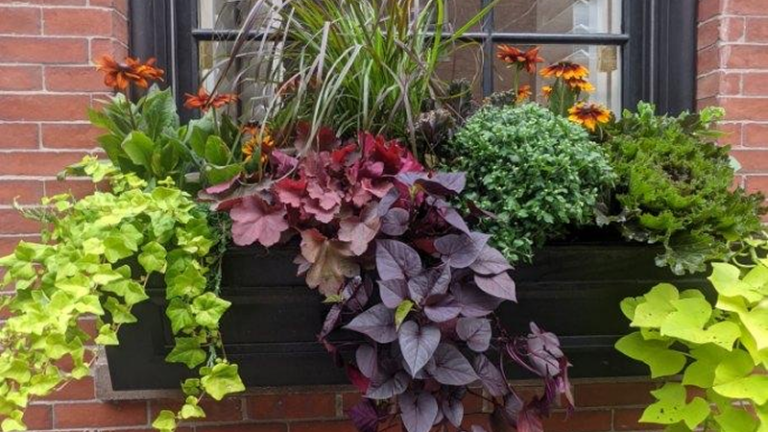
What we account for here
Shade from mature street trees
Cambridge’s tree canopy is older and denser than in most surrounding towns, and it changes every year as trees grow. We reassess sun exposure at each visit rather than assuming last year’s plant palette still fits, and we favor perennials and shrubs that hold their structure in part or full shade instead of fighting the light with plants that will never thrive.
Cambridge Historical Commission districts
On properties in a local historic district, we keep maintenance within the bounds of routine upkeep and raise a flag before anything — a hedge removal, a change in fence-line plantings, a new bed cut into a front lawn — might need a certificate of appropriateness. That conversation happens before work starts, not after.
Narrow lot access
Triple-decker side yards and shared driveways are often the only way into a back garden. We plan crew size and equipment for that access, and we coordinate timing so work doesn’t create friction with neighbors sharing the same passage.
Compacted, older soil
Lots that have carried buildings and foot traffic for a century often have dense, depleted soil under the topsoil layer. Where plants are struggling despite decent light and water, we look at soil structure first — aeration, organic topdressing, and in some cases a targeted amendment — before assuming it’s a plant selection problem.
Recent Cambridge work
A typical recent engagement: a Victorian near Harvard Square with a shaded front bed that had been replanted twice by a previous crew without solving the underlying light problem. We reworked the palette around shade-tolerant perennials and structural shrubs, corrected an irrigation zone that was overwatering the driest corner of the bed, and set a maintenance schedule that accounts for the canopy’s seasonal change rather than treating the bed as static. The result held through the following two seasons without another replanting.
Other services we provide in Cambridge
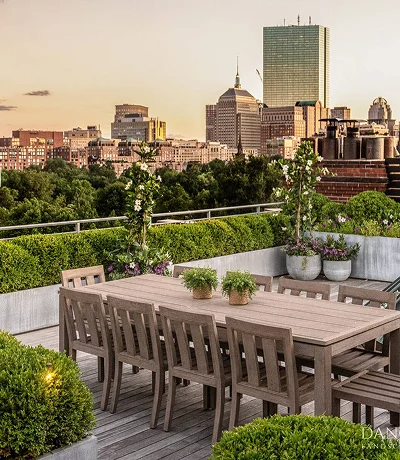
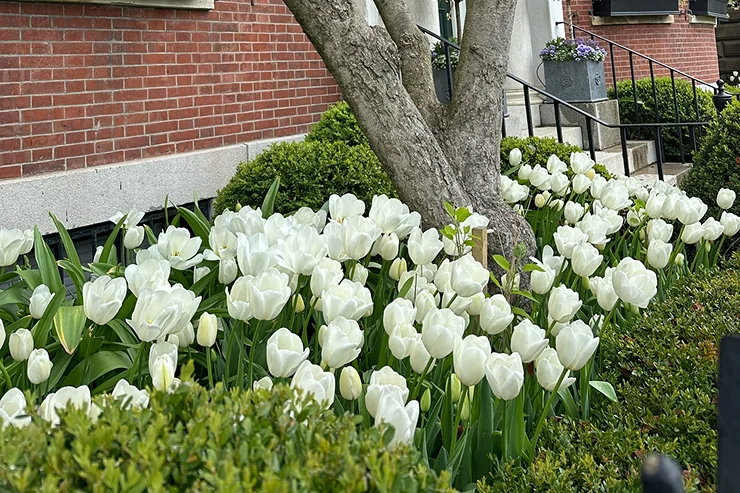
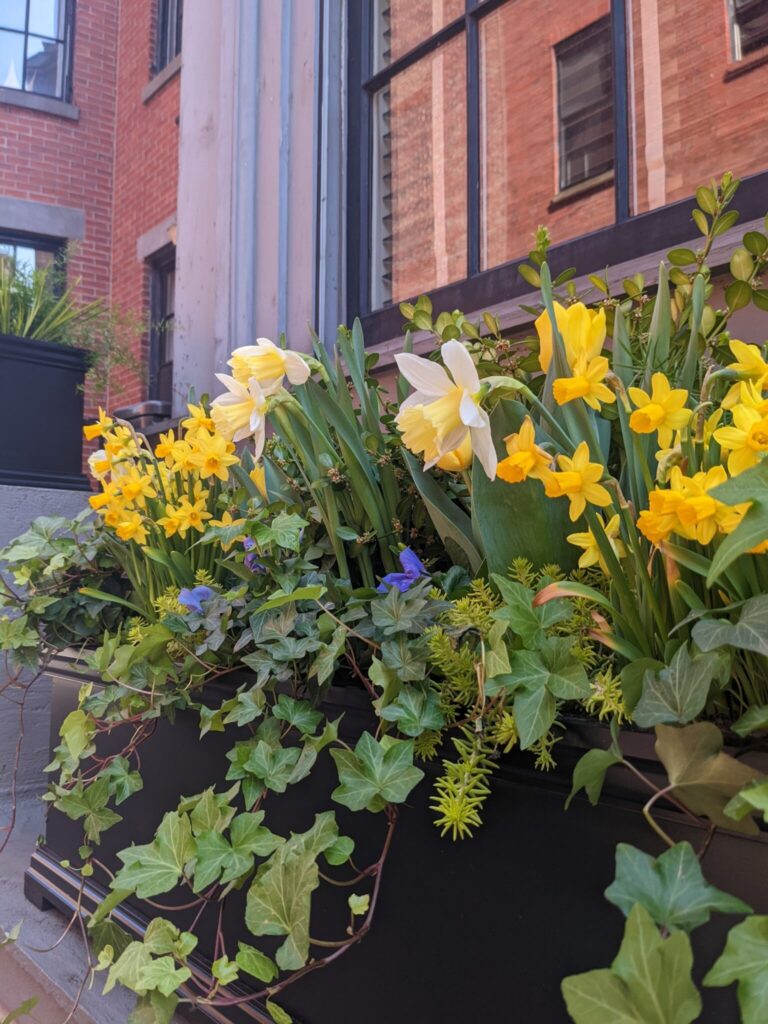
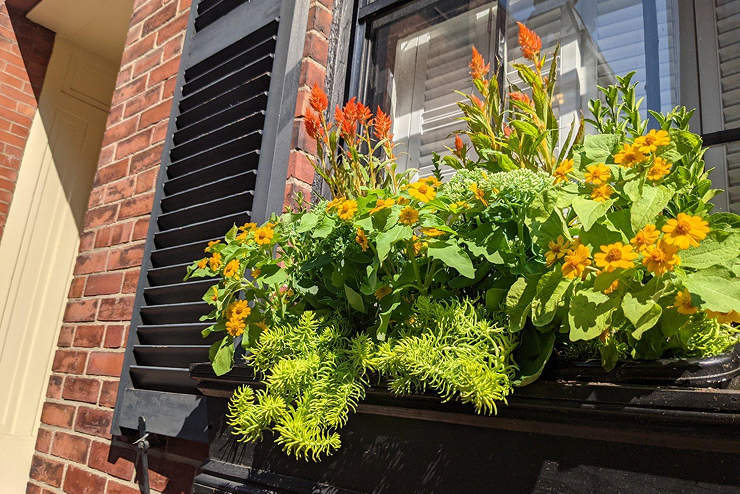
Maintenance is often the ongoing half of a broader relationship. Many Cambridge clients start with our full slate of garden services in Cambridge, which includes design and installation for the same narrow, shaded lots, containers and window boxes suited to triple-decker porches and stoops, planting for roof decks and small terraces where soil and wind conditions differ from ground-level beds, drip irrigation sized to uneven shade patterns, and low-voltage lighting that respects a historic district’s character while making a garden usable after dark. If you’re weighing maintenance against a fuller redesign, that page walks through how the services connect.
Working around Cambridge's parking and street rules
Resident permit parking, narrow one-way streets, and limited loading zones near Harvard and Central Square affect how and when crews can get equipment to a property. We build that into scheduling up front rather than treating it as a surprise on the day of a visit, and we keep visits efficient so a crew isn’t occupying a loading zone longer than necessary.
Start a Cambridge garden maintenance plan
Cambridge is roughly 2.8 miles from our Cambridge base at 5 Crescent St, close enough that a first walkthrough can usually be scheduled within the week. Call to arrange a site visit — we’ll look at your specific lot, light conditions, and any Historical Commission considerations, and come back with a maintenance plan and schedule before any work begins. For a broader project that includes design or installation, see our garden maintenance page for Boston or compare notes with how we handle the same service in South End and Back Bay.
How we schedule maintenance visits
Cambridge properties don’t all need the same cadence. A shaded foundation bed with slow-growing shrubs might only need attention every few weeks, while a sunnier back garden with perennials and containers can need weekly work through the growing season. We set the schedule after the first walkthrough, based on what the specific beds are doing, and adjust it as the season and the canopy change.
Ready when you are, Cambridge
Have questions about your beds, lawn, or seasonal cleanups before committing to a schedule? Reach out and tell us what you’re seeing in the yard. We’ll talk through what’s realistic for the space and put together a maintenance approach suited to your property.
What Our Customers Say
Frequently Asked Questions
Does Cambridge's tree canopy really change what plants will work in my garden?
Yes. Street trees along Cambridge blocks have matured significantly over the past few decades, and beds that were planned for four or five hours of sun often get a fraction of that now. We reassess light conditions at each visit and adjust the plant palette rather than continuing to maintain plants that are slowly failing in shade they weren't chosen for.
Do I need Historical Commission approval to maintain my existing garden?
Routine maintenance — pruning, deadheading, seasonal cleanup, replacing like with like — generally does not require review. Changes that alter the visible landscape from the public way, such as removing a hedge along a front lot line or cutting a new bed into a lawn, can require a certificate of appropriateness depending on the district. We flag anything borderline before starting work.
How do you get equipment into a garden behind a triple-decker?
Most triple-decker gardens are reached through a narrow side yard or shared driveway. We size crews and equipment for that access and coordinate timing to avoid conflicts with neighbors using the same passage, rather than showing up with equipment that doesn't fit the site.
How often does a Cambridge garden actually need maintenance visits?
It depends on the bed. A shaded foundation planting with slow-growing shrubs might need attention every three to four weeks, while a sunnier garden with perennials and containers often needs weekly work through the growing season. We set the schedule based on the first walkthrough, not a fixed default.
Can you work with an existing garden design, or do you need to start from scratch?
Most of our Cambridge maintenance work is on existing gardens, often ones planted by a previous landscaper or the homeowner. We start by evaluating what's actually thriving given current light and soil conditions, and adjust the palette and care plan from there rather than assuming a full redesign is needed.