- Serving Boston and the Greater Boston Area

Window Boxes in Downtown Boston, MA
If your window box is fifteen floors up, the question isn’t sun exposure — it’s whether the box survives the first nor’easter gust off the harbor. Downtown Boston’s towers and mid-rise office-to-residential conversions funnel wind between buildings at speeds street-level plantings never see, and every install has to clear building management sign-off and, often, a freight elevator with a fixed delivery window. Rouvalis Gardens designs and installs window boxes around those three realities, not around a catalog photo.

What Window Boxes looks like in Downtown Boston
Downtown Boston is not one condition — it’s several stacked on top of each other. A window box on a Financial District tower’s 22nd floor faces a completely different engineering problem than one on a ground-floor storefront sill on Franklin Street or a Millennium Tower residence overlooking the Common. What they share is limited tolerance for error: building management, condo boards, and in some cases the Boston Redevelopment Authority’s design guidelines all have a say before a bracket goes on.
We start every project with the building, not the plant list. That means confirming the load rating of the mounting surface, checking whether the facade is original masonry or curtain wall (each takes hardware differently), and mapping out how materials actually get to the unit — loading dock hours, freight elevator reservations, and certificate of insurance requirements are standard for Downtown high-rises and we handle that coordination directly with the property manager.
Once access and structure are settled, the planting itself is built for wind first. Boxes are ballasted and through-bolted rather than simply set on a bracket, soil mixes are chosen for water retention so boxes don’t dry out between service visits in exposed, sun-baked corridors, and plant selection favors species with flexible stems and deep, fibrous roots over anything top-heavy or brittle. Light is rarely the limiting factor here — most Downtown exposures get strong reflected light off glass and stone — so the design conversation is almost entirely about wind, weight, and approval, in that order.
What we account for here
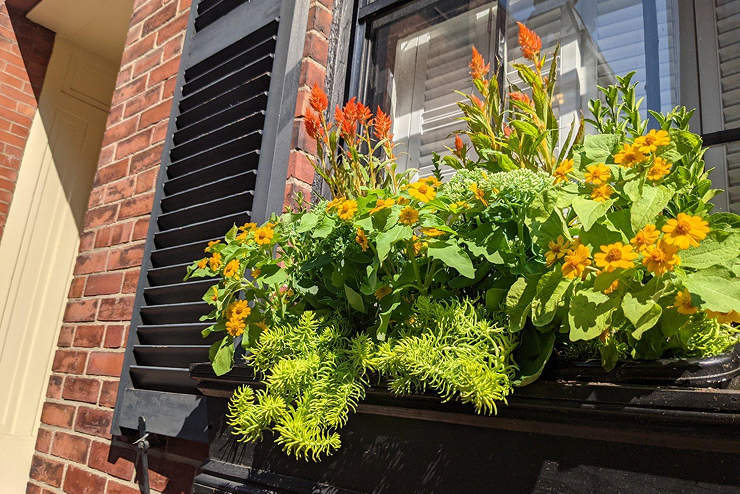
What we account for here
Wind load at height
Above the fourth or fifth floor, sustained wind and gust loading are the primary structural concern. We use through-bolted brackets rated for the specific facade material, ballast the boxes internally, and select plant material with wind-tolerant form rather than showy but brittle growth habits.
Building management and condo board approval
Most Downtown towers require a written proposal, proof of insurance, and sometimes a structural sign-off before any exterior mounting. We prepare the submission package property managers actually ask for, including bracket specifications and load calculations, so approval doesn’t stall the install date.
Freight elevator and loading dock logistics
Soil, hardware, and mature plant material move in on the building’s schedule, not ours. We book freight windows and loading dock time in advance and stage materials so the crew is in and out within the reserved slot — a real constraint in buildings that allow one delivery reservation per day.
Reflected heat and inconsistent moisture
Glass and stone facades bounce heat back onto plantings and dry soil faster than a ground-level bed ever would. Our soil mixes and irrigation approach are built around that heat load so boxes don’t need daily attention to stay full and even.
Recent Downtown Boston work
A recurring project type in this neighborhood is the high-floor residential tower where a homeowner wants the look of a garden window from the street or from a neighboring building, without the maintenance risk of a design that can’t handle the exposure. We’ve also worked on ground-floor commercial storefronts near the Financial District core, where the box has to read well from the sidewalk while meeting whatever the building’s tenant design guidelines require. In both cases the brief is the same: something that looks considered from below and holds up through a full Boston winter above.
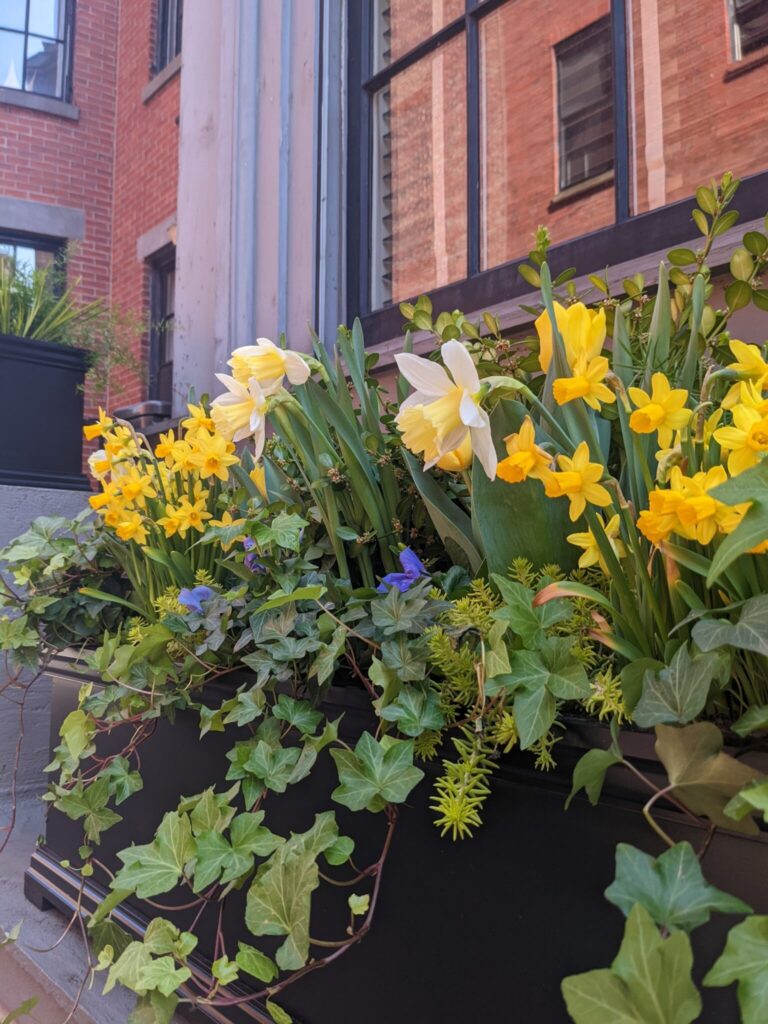
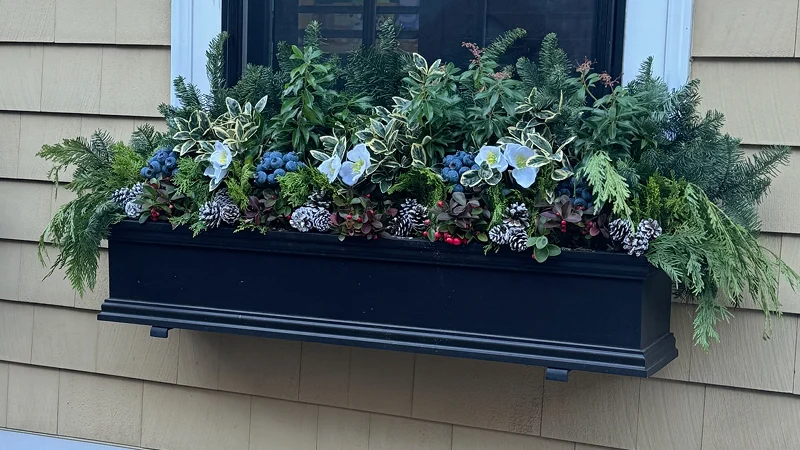
Other services we provide in Downtown Boston
Window boxes are one piece of a broader garden services program in Downtown Boston. For residences and offices with outdoor square footage beyond the sill, we also handle full garden design and installation for lobby planters and streetscape beds, fine gardening and ongoing seasonal maintenance for buildings that want a consistent look year-round, roof deck and terrace planting for the penthouse and amenity-deck units common in this neighborhood’s towers, drip irrigation built to survive height and wind exposure, and low-voltage landscape lighting for entries and terraces. If you’re weighing a citywide approach rather than a single building, our window boxes service across Boston covers how the specifics change by neighborhood, and we install the same service in Beacon Hill and the North End, where historic district rules rather than tower height set the design constraints.
Start with a consultation
From our Downtown Boston location at 5 Crescent St, Downtown Boston is about 1.6 miles away — close enough that we can walk a building’s loading dock and elevator schedule in person before quoting anything. Call to set up a consultation. We’ll assess your building’s access and approval requirements, propose a design suited to the exposure, and give you a clear timeline for installation, including how we coordinate around the building’s freight and delivery windows.
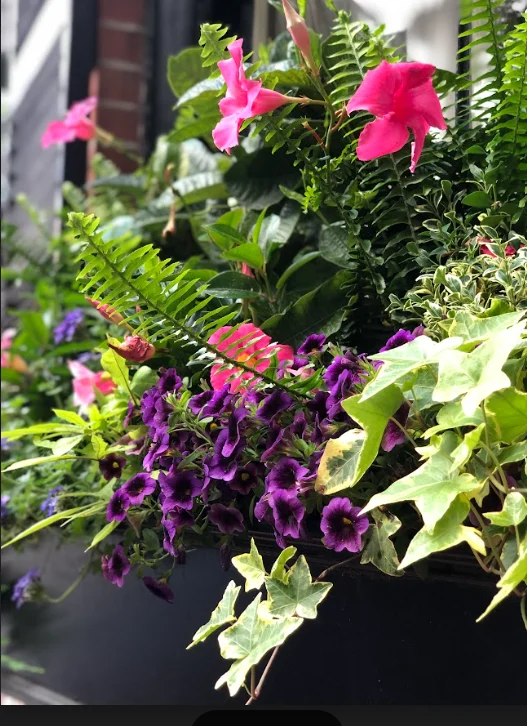
Window box care through the seasons
Downtown Boston’s window boxes face reflected heat off glass and stone facades, tight sidewalk clearances, and building management expectations that plantings stay tidy year-round. We plan around each of these from the start, choosing containers and irrigation that hold up to wind exposure on higher floors and street-level traffic below.
- Seasonal rotations timed to the district’s look
- Drainage suited to building runoff rules
- Materials chosen for durability against wind and glare
We handle upkeep so the display stays consistent.
Window box work in other Boston neighborhoods
Downtown Boston’s mix of historic facades, condo entries, and ground-floor storefronts calls for window boxes sized and planted to fit brick sills, iron brackets, and narrow ledges without looking crowded or out of place. We build each box around the building it sits on, choosing plant combinations that read well from the sidewalk and hold up against wind and reflected heat from surrounding structures.
Beyond the boxes themselves, we support Downtown Boston properties with a wider range of exterior plantings:
- Container gardens for entries, lobbies, and small courtyards
- Rooftop and terrace planting for buildings with limited street-level green space
- Seasonal rotations that keep window boxes looking current through the year
- Drip irrigation setups so watering isn’t left to chance
If your property or portfolio extends past Downtown Boston, we do the same window box work in other Boston neighborhoods, matching each install to the architecture and foot traffic of that specific block.
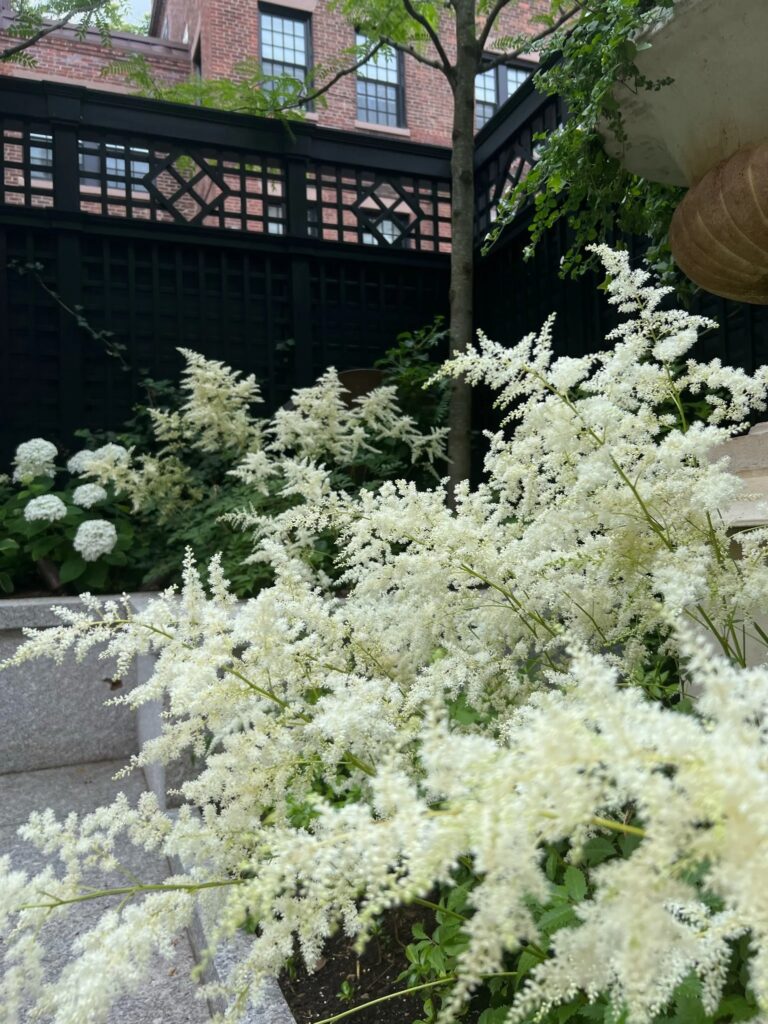
Built for Downtown Boston storefronts and residences
Brownstone facades, condo sills and street-level storefronts each call for a slightly different window box approach. We size and mount boxes to suit narrow historic frames as well as wider modern openings, choosing materials that hold up to city wind and foot traffic.
- Secure mounting for upper-floor windows
- Finishes that complement brick and stone
- Plant choices suited to shaded, narrow streets
What Our Customers Say
Frequently Asked Questions
Do window boxes need building management approval in Downtown Boston?
Almost always, yes. Most towers and larger commercial buildings require written approval before any exterior mounting, and many ask for proof of insurance and bracket load specifications. We prepare that documentation as part of the project so it doesn't hold up your install date.
How do you install window boxes on a high floor without street access?
Materials go up through the building's freight elevator and loading dock on a reserved schedule, which we coordinate directly with the property manager. Hardware and soil are staged in advance so the crew completes the install within the booked window.
Is wind really the main design issue, not sunlight?
For most Downtown Boston exposures, yes. Reflected light off glass and stone is usually strong regardless of orientation, but sustained wind and gusting between towers can damage a box or plants that weren't engineered for it. That's the constraint we design around first.
Can window boxes be installed on original masonry storefronts?
Yes, though the mounting hardware differs from what we'd use on a curtain-wall tower. We assess the facade material first and choose brackets rated for that specific surface.
How far is Rouvalis Gardens from Downtown Boston?
Our base in Downtown Boston is about 1.6 miles from Downtown Boston, close enough for site visits, building coordination, and ongoing seasonal maintenance without long lead times.