- Serving Boston and the Greater Boston Area

Roof Deck Planting in Brookline, MA
If your roof deck sits behind a Brookline Preservation Commission review, or if you have watched deer work their way through a rooftop planter as easily as a backyard bed near the Newton line, you already know a standard rooftop planting plan will not hold up here. Brookline’s larger lots and mature tree canopy change wind and light patterns on a deck in ways a Boston rowhouse roof never faces, and any planting scheme has to answer to both the town’s design review and the browsing pressure drifting in from the western edge of the neighborhood. We plan around both from the first sketch.

What Roof Deck Planting looks like in Brookline
A roof deck in Brookline is rarely an isolated box in the sky the way it might be above a South End rowhouse. Many of these decks sit above or beside mature trees that were already established when the house was built, which means the light pattern on the deck shifts through the season in ways a bare downtown roof does not experience. We start by mapping actual sun hours across spring through fall rather than assuming the exposure implied by the compass direction alone, because a deck shaded by a neighbor’s century-old oak through June behaves very differently once that canopy thins in October.
Wind is the second variable that plays out differently on Brookline’s larger, more open lots. Without the tight building-to-building canyon effect found in denser Boston neighborhoods, gusts move across a Brookline roof deck more evenly but often with more sustained force, which changes what we specify for containers, staking, and windbreak plantings.
Then there is the review layer. A meaningful share of Brookline properties, particularly in the town’s older sections, fall under Preservation Commission oversight, and visible rooftop structures, railcap planters, and anything that changes the roofline’s silhouette from the street can require sign-off. We build planting plans that respect sightlines from the ground before a single container gets ordered, so the project does not stall in review after the client has already committed to a design.
Finally, deer pressure toward the Newton line is not something most people expect on a roof deck, but browsing animals will absolutely work through ground-floor and low-roof plantings on the same property, and a plant palette that gets chewed at street level often gets specified again for the deck out of habit. We separate the two plans deliberately.
What we account for here
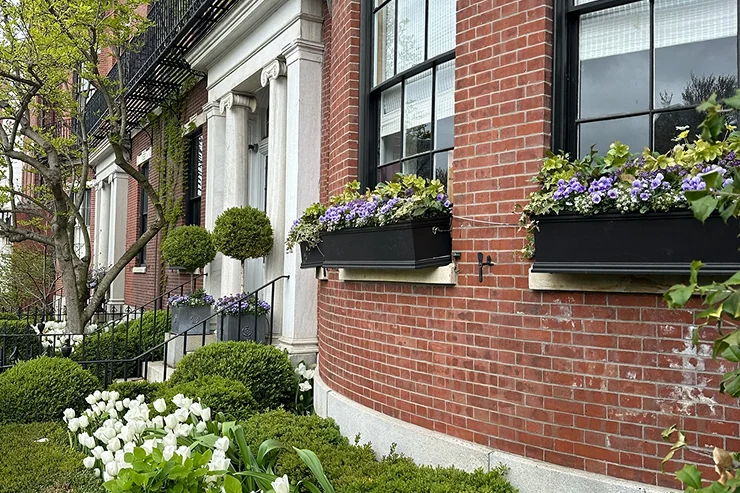
What we account for here
Four constraints come up on nearly every Brookline roof deck project, and each one changes a real decision in the plan.
Preservation Commission sightlines
On properties under historic district review, we design planting heights, container materials, and screening so nothing visible from the street reads as an unapproved rooftop addition. Where a client wants taller structural plantings for privacy, we work through what the Commission will and will not approve before ordering anything, so there is no rework after installation.
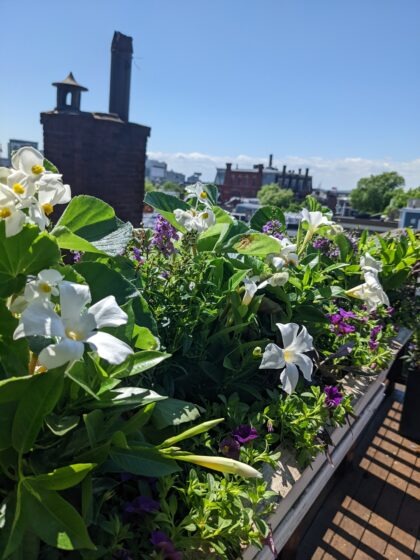
Deer pressure near the Newton line
Properties toward Brookline’s western edge see real deer activity even several stories up, because animals browsing the ground level condition owners to default to the same plant list overhead. We build the roof palette around genuinely deer-resistant species and skip the ornamentals that invite trouble at the base of the same building, so the two areas do not fight each other visually or horticulturally.
Wind exposure on open lots
Brookline’s larger parcels mean fewer adjacent buildings blocking wind at roof height. We select container weight, anchoring, and windbreak plant structure specifically for sustained exposure rather than the gustier, more sheltered pattern typical of a tightly packed block, and we route drip irrigation lines to survive that same wind loading.
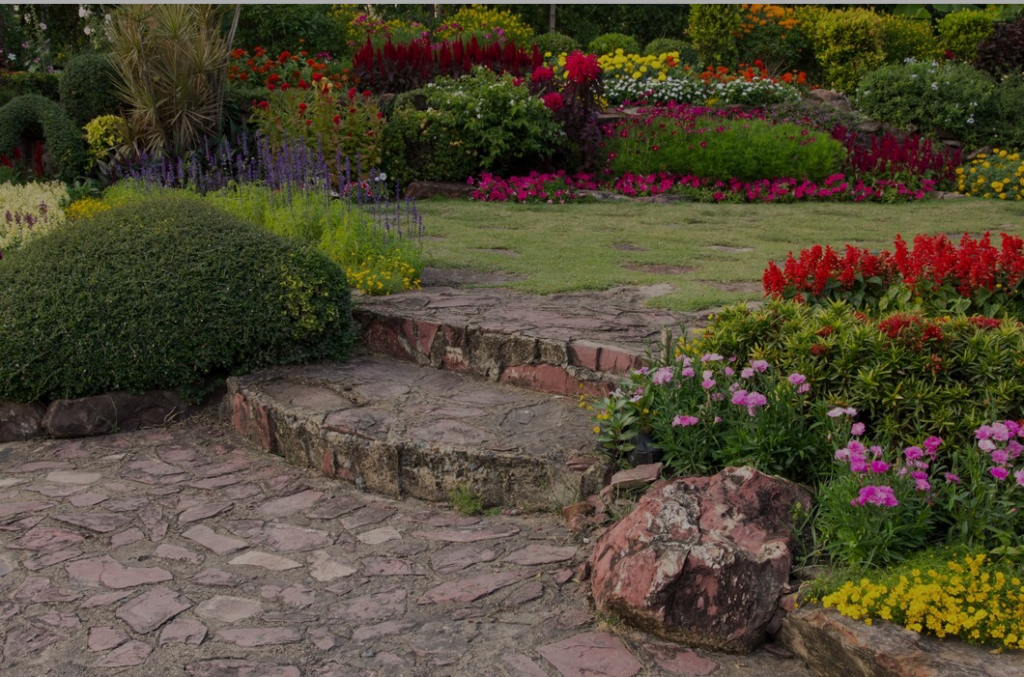
Light shifting under mature tree canopy
Many Brookline lots carry trees old enough to shade a roof deck seasonally in ways the address alone would not suggest. We track actual light hours through the growing season and choose a plant list matched to how the deck is lit in July versus October, not to a generic full-sun or full-shade label.
Recent Brookline work
Recent work in the neighborhood has included a roof deck planting plan for a Preservation Commission-reviewed property near the Town Hall district, built around low-profile containers that stayed within approved sightlines while still giving the owners a working herb and perennial garden above their kitchen. On a larger lot closer to the Newton line, we replaced a chewed-back rooftop planting with a deer-resistant palette of ornamental grasses, lavender, and salt-tolerant perennials paired with a drip system on a timer, so the deck held its shape through a full season without hand-watering or replanting.
Other services we provide in Brookline
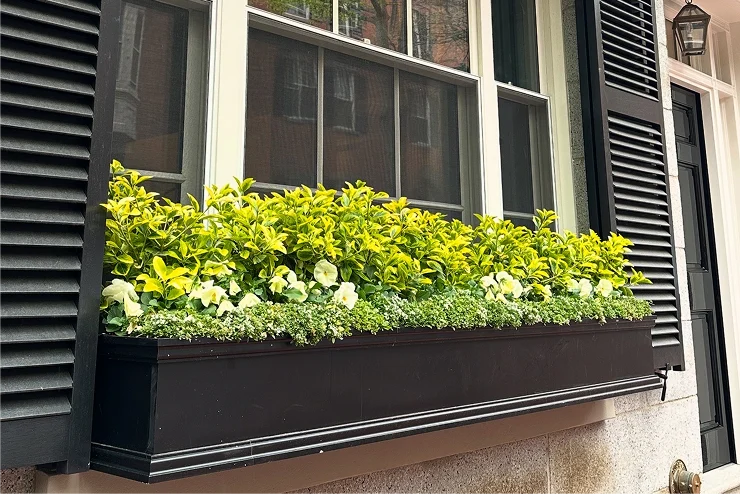
Roof deck planting is one piece of a broader Brookline practice. We also handle full garden design and installation in Brookline, ongoing fine gardening and seasonal maintenance for larger lots with established plantings, container and window box design for street-facing facades that fall under design review, drip irrigation for both ground beds and rooftop containers, and low-voltage landscape lighting that highlights mature trees and garden structure without violating dark-sky or historic district lighting rules. Clients working through a Preservation Commission review often bundle several of these together so the whole exterior reads as one coherent plan rather than a series of separate approvals.
Start with a site visit
The next step is a site visit to walk the deck, check load and access, and talk through what the Preservation Commission will expect if your property falls under review. Brookline is about 5.4 miles from our Brookline location, and most rooftop projects start with that same on-site conversation before any design work begins. Call to set a time and we will tell you plainly what is possible for your deck and what the next step after that looks like.
What Our Customers Say
Frequently Asked Questions
Does a roof deck planting project in Brookline need Preservation Commission approval?
It depends on whether the property sits within one of Brookline's historic districts and whether the planting is visible from a public way. Anything that changes the roofline's visible silhouette, including tall containers or screening, may need review. We check this early so it does not stall the project mid-installation.
Do deer actually reach roof deck plantings in Brookline?
Yes, on properties toward the Newton line especially. Deer browsing at ground level often signals the same pressure will reach a low roof or a deck accessible from an upper terrace. We build the plant list around species deer generally avoid rather than assuming height alone protects the deck.
How does wind on a Brookline roof deck differ from a denser Boston block?
Brookline's larger, more open lots mean fewer neighboring buildings to break wind at roof height, so gusts tend to be steadier and stronger rather than sharp and gusty. We size containers, anchoring, and windbreak plantings for that sustained load.
Can you work around a mature tree that shades my deck part of the year?
Yes. We track how light actually falls across the deck through the growing season rather than relying on compass direction, and build the plant palette around the real seasonal pattern, which is common on Brookline lots with established trees nearby.
What happens after I call to schedule a roof deck consultation?
We schedule a site visit to assess access, structural load, sun and wind exposure, and any Preservation Commission constraints, then follow with a written planting plan and installation timeline before any materials are ordered.