- Serving Boston and the Greater Boston Area

Rooftop Garden Installation in Downtown Boston, MA
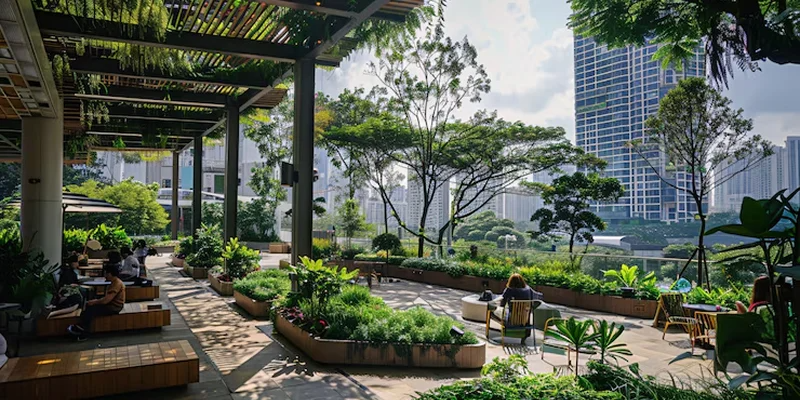
A rooftop garden on a Downtown Boston high-rise lives or dies on three things: what building management will approve, what the freight elevator can move in a scheduled window, and how much wind the terrace actually takes at forty or four hundred feet up. Light is rarely the limiting factor here the way it is on a shaded brownstone lot — most Downtown terraces get plenty of sun. The real design problem is engineering a planting scheme that survives sustained wind load, clears a load-in schedule with a property manager, and stays within whatever structural limit the building’s engineer has set for that deck. We plan every Downtown project around those three constraints from the first site visit.

What Rooftop Garden Installation looks like in Downtown Boston
Most of our Downtown Boston work starts with a document review, not a plant list. High-rise condo associations and commercial property managers require a certificate of insurance, a proposed materials list, and often a structural sign-off before anything goes up in the elevator. We handle that paperwork directly with building management so the client isn’t chasing it themselves.
Once access is cleared, delivery becomes a logistics exercise. Freight elevators in Downtown towers run on reservation windows — sometimes a two-hour slot, sometimes a single Tuesday morning a month — so we build the entire installation around that window: containers pre-planted off-site where possible, soil bagged in elevator-legal quantities, and crews staged to move fast once the car is ours.
Wind is the design constraint that separates a rooftop terrace from a backyard. At height, Downtown terraces see gusts that will shred broad-leafed tropicals and tip anything not secured. We select wind-tolerant species — ornamental grasses, dwarf conifers, tough Mediterranean herbs — and anchor every container mechanically rather than relying on weight alone. Irrigation runs on a drip system sized for fast evaporation, since wind and reflected heat off glass towers dry planters far quicker than a ground-level bed. Soil is always engineered lightweight mix, chosen with the building’s per-square-foot load limit in mind, never standard topsoil.
What we account for here
What we account for here
Downtown Boston rooftops bring a mix of narrow service cores, historic building constraints, and tight scheduling windows shared with other tenants. We look closely at drainage patterns, roof membrane protection, and sun exposure off surrounding high-rises before recommending layouts.
- Rooftop drainage and membrane safeguards
- Sun and shade patterns from nearby towers
- Coordination with building staff and tenants
Freight elevator scheduling and delivery windows
Downtown high-rises book freight elevator time in advance, and a missed slot can mean a two-week delay. We confirm the delivery window with building management before ordering materials, sequence the job so plants and soil arrive in the correct load order, and keep a backup date on file in case the schedule shifts.
Building management approval and insurance
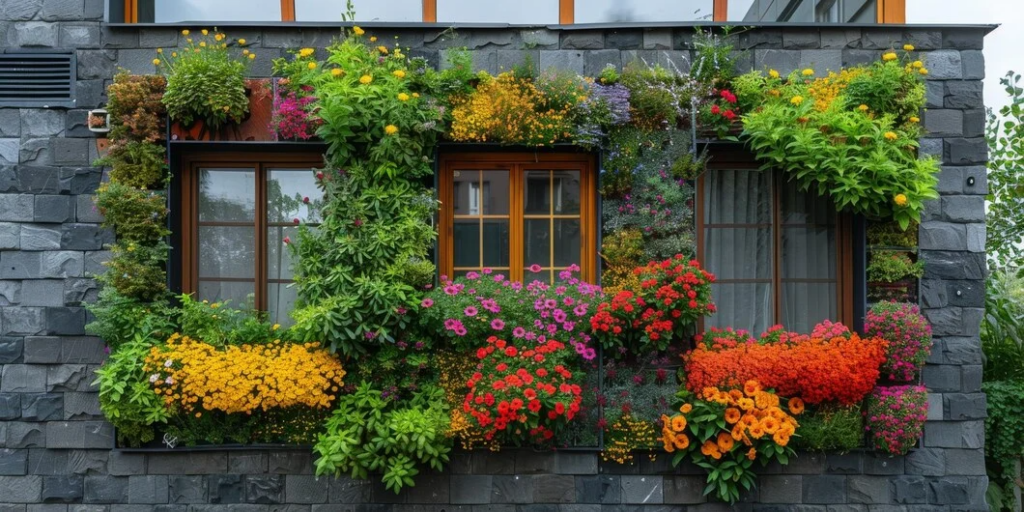
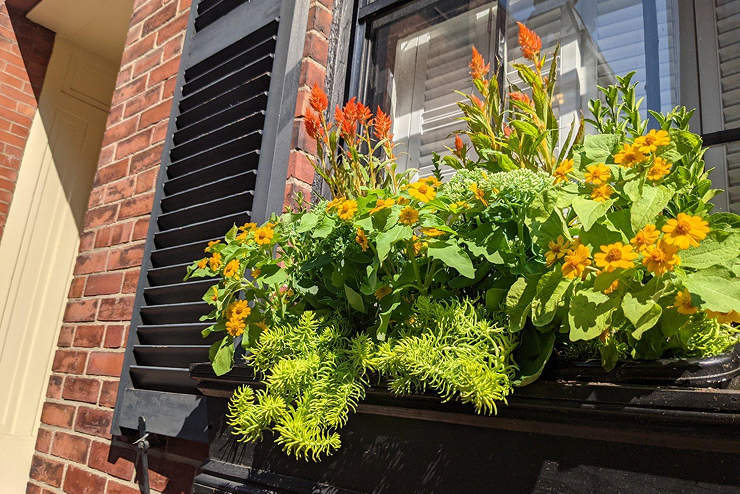
Nearly every Downtown tower requires a certificate of insurance and a written scope of work before a contractor is allowed on the roof deck. We prepare and submit that documentation ourselves, so the client’s only involvement is a signature, not a stack of emails with the property manager.
Wind load on containers and plant selection
Terraces above the fourth or fifth floor see wind speeds that ground-level gardens never experience. We select species rated for exposed conditions, use heavier ballasted or mechanically fastened containers, and avoid trellised or top-heavy plantings that can catch wind like a sail.
Structural load limits on the deck
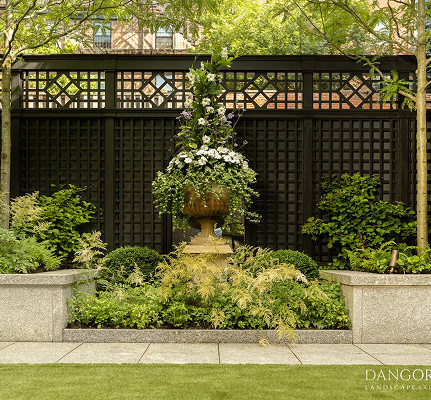
Roof decks are engineered to a specific live-load capacity, and that number governs how much soil weight, hardscape, and container mass we can place and where. We work from the building’s structural documentation when it exists, and use lightweight growing medium and strategic placement over structural columns when it doesn’t.
Recent Downtown Boston work
A recurring project type in Downtown Boston is the amenity-deck refresh for a residential tower — replacing tired planters with a wind-hardy, low-maintenance scheme that still looks considered from the units looking down on it. We’ve also handled private terrace installs for condo owners on upper floors of Financial District and Seaport-adjacent buildings, where the entire job had to be planned around a single freight elevator reservation and completed in one coordinated push. Every project has been shaped first by what the building would allow, then by what the wind would tolerate, and only then by the client’s design preferences.
Other services we provide in Downtown Boston
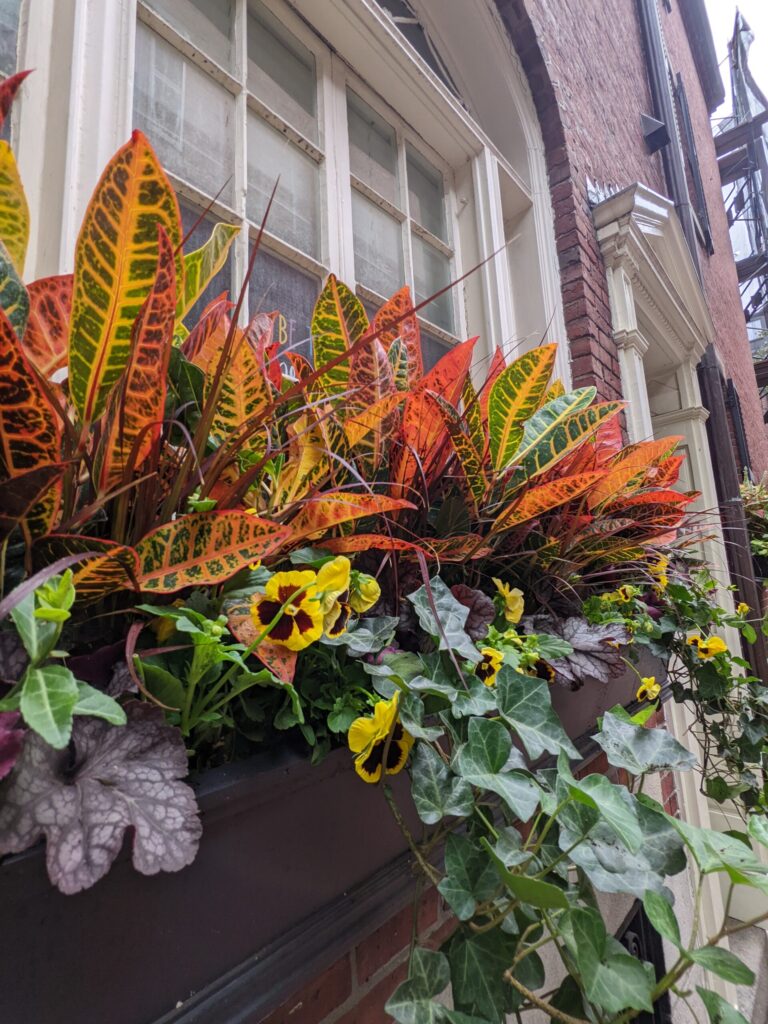
Rooftop work is one piece of a broader practice in Downtown Boston. We also handle full garden services in Downtown Boston for clients who want ongoing fine gardening rather than a single install, along with container and window box plantings for lobby entrances and street-level frontages, low-voltage landscape lighting for terraces and courtyards, and drip irrigation systems designed for high-rise planting conditions. Property managers overseeing several buildings often bring us in for seasonal maintenance across a portfolio, coordinating all of it around the same freight elevator and approval logistics described above.
Start a Downtown Boston garden project
We’re 1.6 miles from Downtown Boston, based at 5 Crescent St in Downtown Boston, and we already know how the freight elevators, load limits, and property management offices in the area’s towers work. Call to schedule a site visit — we’ll review your building’s access and approval requirements first, then come back with a planting and container plan built for the terrace you actually have. After that call, next steps are a scheduled walkthrough and a written proposal tied to your building’s delivery window.
What Our Customers Say
Frequently Asked Questions
Do you handle building management approval for rooftop installs?
Yes. We prepare the certificate of insurance, scope of work, and any structural documentation Downtown property managers require, and submit it directly so the approval process doesn't fall on the owner.
How do you get plants and soil up to a high floor if there's only a freight elevator window?
We confirm the reservation window with building management in advance and sequence the entire delivery and installation around it — pre-planting containers off-site where possible so the on-site work moves as fast as the window allows.
Is wind or sunlight the bigger design problem on a Downtown rooftop?
Wind. Most Downtown terraces get strong, consistent sun, but sustained wind at height will damage the wrong plant selection and tip unanchored containers, so we design around wind exposure first.
Can you work with a roof deck that has a strict weight limit?
Yes. We use lightweight engineered growing medium and plan container placement around the building's stated load capacity, and we'll request the structural documentation from management before finalizing a plan.
Do you install rooftop gardens outside Downtown Boston too?
We install and maintain rooftop gardens throughout Boston, including similar high-rise and terrace work in Beacon Hill and the North End, and provide broader rooftop installation services across the city.